

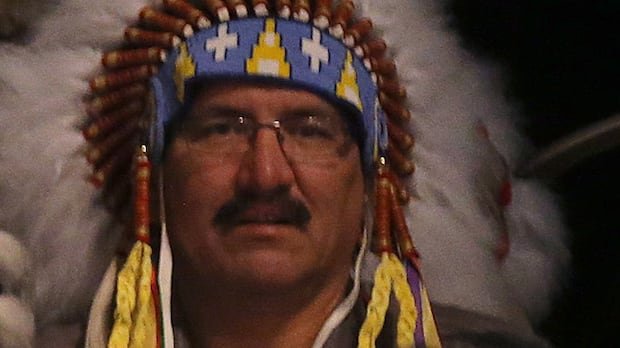

The Canadian Human Rights Tribunal has ruled that a former chief of Alexander First Nation sexually harassed an employee for almost a decade. Kurt Burnstick, the former chief of the First Nation situated approximately 55 kilometers northwest of Edmonton, was previously cleared of criminal charges in 2017 related to his interactions with the complainant.
In a decision made public on July 31, the Canadian Human Rights Tribunal determined that Burnstick’s actions constituted sexual harassment. The tribunal’s ruling stemmed from two separate complaints filed by the former employee with the Canadian Human Rights Commission in 2016, which were later merged into a single inquiry in September 2018.
One complaint targeted Alexander First Nation, while the other specifically named Burnstick as the respondent. The complaint against the First Nation was resolved and approved by the commission in January 2021, while the complaint against Burnstick proceeded to a hearing.
The woman, who had been employed by Alexander First Nation from 2000 to 2016, alleged that Burnstick, who served as a band councillor and later as chief, sexually harassed her. The incidents reportedly began in 2006 and included unwanted physical contact, inappropriate advances, and suggestive remarks.
The woman detailed instances of unsolicited physical contact, including a non-consensual kiss at a Calgary pub and repeated incidents where Burnstick bumped into her with his belly. She also described how Burnstick continuously inquired about her personal life outside of work, sent texts during off-hours, and disregarded his marriage in attempts to spend time alone with her.
Furthermore, the former employee claimed that Burnstick offered financial assistance or extra work to create opportunities for private interactions. She alleged that he invited her to out-of-town meetings, insinuating they could have fun together, and implied she would not need to repay money advanced by him if she accompanied him on trips.
The tribunal’s decision highlighted the woman’s allegations of being pressured to collect paycheques directly from Burnstick in private settings, with the harassment reportedly escalating after Burnstick assumed the role of chief in 2014.
The woman estimated between 50 and 100 incidents of unwanted touching and inappropriate behavior between 2006 and 2015, culminating in a disturbing incident at the First Nation’s office in 2015. The encounter involved Burnstick allegedly making unwanted advances towards her, which she promptly reported to her supervisor.
Burnstick denied the allegations, asserting that the encounter was consensual. However, the tribunal sided with the woman’s version of events, finding her to be a credible witness. The decision emphasized the seriousness of the incidents and their negative impact on the former employee’s work environment and job-related consequences.
Despite substantiating the complaint, the tribunal did not order Burnstick to provide additional compensation to the complainant, citing legal limitations regarding acts committed by employees in the course of employment. The woman had already reached a settlement with Alexander First Nation, receiving compensation, though it did not imply an admission of liability or wrongdoing.
In conclusion, the tribunal’s decision underscored the significant power imbalance between Burnstick, a political leader within the First Nation, and the woman, whose livelihood and security were tied to their working relationship.