

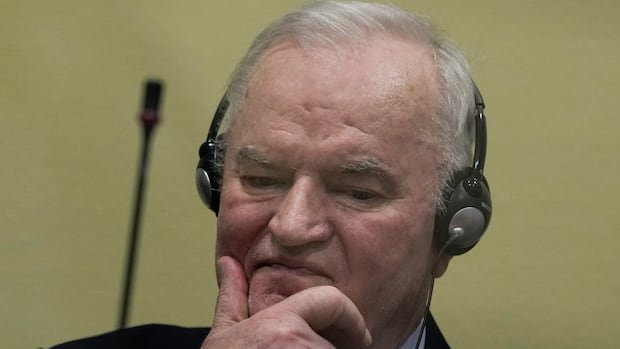

Ratko Mladic, the individual found guilty of genocide for masterminding the 1995 massacre of over 8,000 Muslims in the most horrifying incident in Europe since World War II, has passed away. According to his attorney Dragan Ivetic, Mladic died while in UN custody on Thursday, with no specific cause disclosed. His final months were spent in the hospital section of the UN detention facility located in a suburb of The Hague.
The tragic events in Srebrenica marked the brutal conclusion of a conflict lasting over three years, during which Mladic relentlessly targeted the besieged Sarajevo with his nationalist Serb army, resulting in the deaths of 10,000 people. The victims from Srebrenica were hastily buried in mass graves over a four-day period in July 1995, with some remains later moved to remote areas to conceal the evidence of the atrocities.
The United Nations International Criminal Tribunal for the former Yugoslavia (ICTY) determined that the objective was “ethnic cleansing” to expel Bosnian Muslims, Croats, and other non-Serbs, paving the way for a Greater Serbia. The tribunal concluded that Mladic, alongside Serbian President Slobodan Milosevic and Bosnian Serb political leader Radovan Karadzic, were part of a criminal scheme to execute this plan.
Mladic, known as the “Butcher of Bosnia,” dismissed the ICTY proceedings in 2014, stating, “I do not recognize this court.” In 2017, upon receiving a life sentence, he vehemently declared it was all fabricated.
Karadzic, also convicted of genocide in 2016, and Mladic remained at the top of the ICTY’s wanted list for years following the conclusion of the conflict by Western powers. Mladic, however, lived covertly in Belgrade until Milosevic was overthrown in 2000. Milosevic died in custody in 2006, just months before the verdict in his tribunal case for genocide and war crimes.
Mladic’s military tactics in Bosnia were characterized by extreme ruthlessness, with instances of prisoners enduring inhumane conditions such as forced consumption of salt, denial of water, starvation, sexual assault in prison camps, and other atrocities. The devastating impact of the war on civilians was exemplified by instances of mass killings and rapes.
Despite numerous appeals, Mladic was finally apprehended in 2011 without resistance. Afflicted by health issues, including a stroke that left his right arm paralyzed, he appeared frail and aged. His conviction was upheld in 2021, and multiple pleas for compassionate release were turned down, including recent requests.
Mladic’s death marks the end of a dark chapter in history, leaving behind a legacy of terror and suffering that forever scarred the region.