

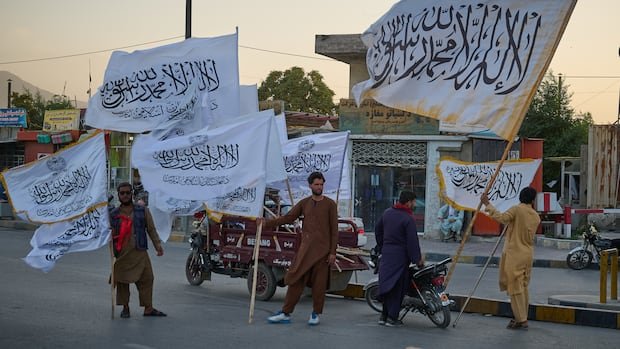

Abdul Razaq Khan, a former interpreter and guide for Canadian journalists during the Afghan conflict, was awakened by a late-night message from one of the reporters he had escorted through the chaotic streets of Kandahar. Having relocated to Kabul after Canada’s withdrawal from Afghanistan to work for USAID, Khan found himself in disbelief as the Taliban advanced towards Kabul in the summer of 2021.
Expressing concern for Khan’s safety, the journalist’s text prompted him to reflect on the upheaval that led to the rapid downfall of the western-backed government. Having resettled in Canada, Khan continues to grapple with the loss of his job, home, and homeland, acknowledging the painful reality of leaving his country against his will.
For Khan, escaping on foot across the Pakistani border as Kabul fell to the Taliban marked a narrow escape from the perilous situation. His association with Canadian media outlets, including The Canadian Press, CTV News, and Postmedia, had made him a target for retaliation, a plight shared by many Afghans who had worked for foreign entities.
The Taliban’s resurgence not only displaced countless Afghans but also ushered in a harsh regime marked by the marginalization of women, crackdown on free expression, and imposition of strict moral codes. The Zan Times, a women’s advocacy group in Afghanistan, highlighted the escalating violence against women under Taliban rule, underscoring the lack of accountability in cases of female fatalities.
Despite international condemnation and targeted sanctions, western nations have struggled to protect women’s rights within Afghanistan post-collapse. Efforts to evacuate high-risk individuals, including female judges, activists, and journalists, have faced numerous challenges, as revealed by a recent report assessing the resettlement initiatives across allied countries.
With over 60,000 vulnerable Afghans resettled in Canada following the Taliban’s takeover, concerns persist for those still under the Taliban’s oppressive regime. The report, titled Allied Ledger, emphasizes the need for continued action to honor commitments made to those who risked their lives supporting American and NATO forces during the conflict.