


Canada’s initiative to construct a $267 million medical countermeasures facility in Winnipeg is viewed as a crucial move in preparing for future pandemics. However, experts caution that the project may encounter significant challenges related to securing sustainable funding, staffing, and governance in the long term.
The federal government recently awarded a $10.2 million contract for the design of the facility, which is scheduled to be operational by 2033 adjacent to Winnipeg’s National Microbiology Laboratory (NML). While the laboratory aims to address a critical need for testing early-stage vaccines, treatments, and diagnostic tools, health experts stress that the success of the facility will heavily rely on continuous investments in skilled personnel over the coming decades.
Dr. Joanne Liu, a physician and professor at McGill University, emphasized the importance of not only constructing the building but also ensuring the presence of qualified professionals to establish it as a top-tier research center. She highlighted the necessity of aligning actions with intentions in advancing medical countermeasures effectively.
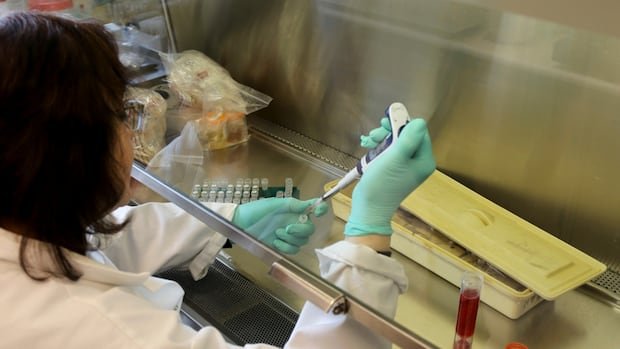
The planned facility will enhance Canada’s capacity for preclinical trials, providing dedicated space for lab and animal testing within the country’s research and development framework. This capability would allow scientists to conduct initial tests on small vaccine batches before progressing to clinical trials. Currently, the NML faces space limitations, occasionally repurposing facilities meant for high-risk pathogen research to accommodate preclinical trials.
According to Steven Guercio, NML’s chief operating officer, industry and academic partners may utilize the lab facilities with proper agreements and screenings in place. Keith Fowke, scientific director at the Canadian Institutes of Health Research’s infections facility in Winnipeg, noted that the absence of local cleanrooms in Canada often hinders university researchers from transitioning vaccine discoveries to early human safety trials.
Expanding Canada’s preclinical testing capacity has been a longstanding discussion among health officials, as highlighted by Gary Kobinger, a former NML scientist. He stressed the importance of sustained funding beyond the building’s construction to advance research and product development over the following years.
Investing in pandemic research during non-crisis periods is crucial, according to McGill’s Liu, as it demonstrates a commitment to combating potential health threats even when they are not in the spotlight. She expressed concerns over recent staff cuts at the NML, emphasizing the need for consistent funding to attract and retain top talent for research initiatives.
Gary Kobinger raised concerns about the governance structure of the new lab, warning against potential bureaucratic obstacles and funding issues if solely managed by the government. He cited past challenges with technology transfer and commercialization in Canada’s handling of the Ebola vaccine development, urging for streamlined processes and sustained financial support to drive successful outcomes.
While the Public Health Agency of Canada (PHAC) assured ongoing funding to strengthen Canada’s medical countermeasures capacity, experts stress the need for efficient governance and financial stability to ensure the facility’s long-term success. They emphasize the importance of learning from past experiences to avoid delays and maximize the impact of investments in pandemic preparedness.