

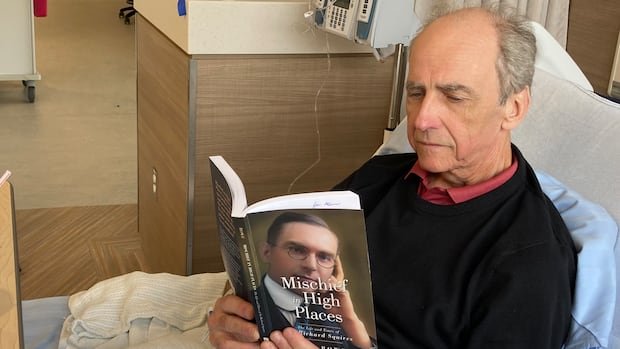

Glenn Deir, a retired journalist residing in St. John’s, shares his personal story in this First Person column. For more details on CBC’s First Person stories, check out the FAQ.
For five months, I relied on six packs a day.
No alcoholic beverages – absolutely not. I refrained from all types of alcohol consumption since the beginning of summer.
The six-pack I consumed was Boost, a meal substitute drink that pledged to provide the essential nutrients for a more fulfilling life.
My objective was quite ambitious – it was about the essence of life itself.
The night before my throat surgery on July 13, I savored my final regular meal, a tenderloin steak. The surgical procedure involved removing my right tonsil, a portion of the back of my tongue, and the tissue in between due to severe cancer infiltration.
Post-surgery, the surgeon described my throat as “normalish.” Unfortunately, it was not normal enough to handle solid food.
To sustain myself, I depended on Boost (in vanilla or strawberry flavors) and pureed food. There’s nothing more unappetizing than a blend of meat and vegetables. A spoonful of lamb chops and green beans in a pasty form hardly resembled their original taste.
Unsurprisingly, I shed 15 pounds during this period.
Despite my efforts, my dietary restrictions persisted because I repeatedly failed swallowing assessments. In August, during one such test, I was observed swallowing liquid and barium-infused food through a camera-equipped X-ray setup. The speech language pathologists, Christina and Kerri, anxiously monitored as my throat muscles struggled to safely propel nourishment towards my stomach, avoiding the risk of it entering my lungs.
Despite accidentally letting water enter my airway and reach my vocal cords, triggering no cough reflex, it was a dense pudding that halted the test. The pudding lodged at the base of my tongue, resisting multiple swallows to clear the obstruction.
My tongue’s reduced mobility, inadequate protective flap over the windpipe, and impaired throat-clearing reflexes led to the conclusion that I was not yet prepared for solid food.
Nevertheless, the healthcare team at St. Clare’s Hospital in St. John’s remained determined. They planned to reevaluate my condition post radiation therapy and chemotherapy treatments, necessitating the cancellation of my moose hunting trip due to my health concerns.
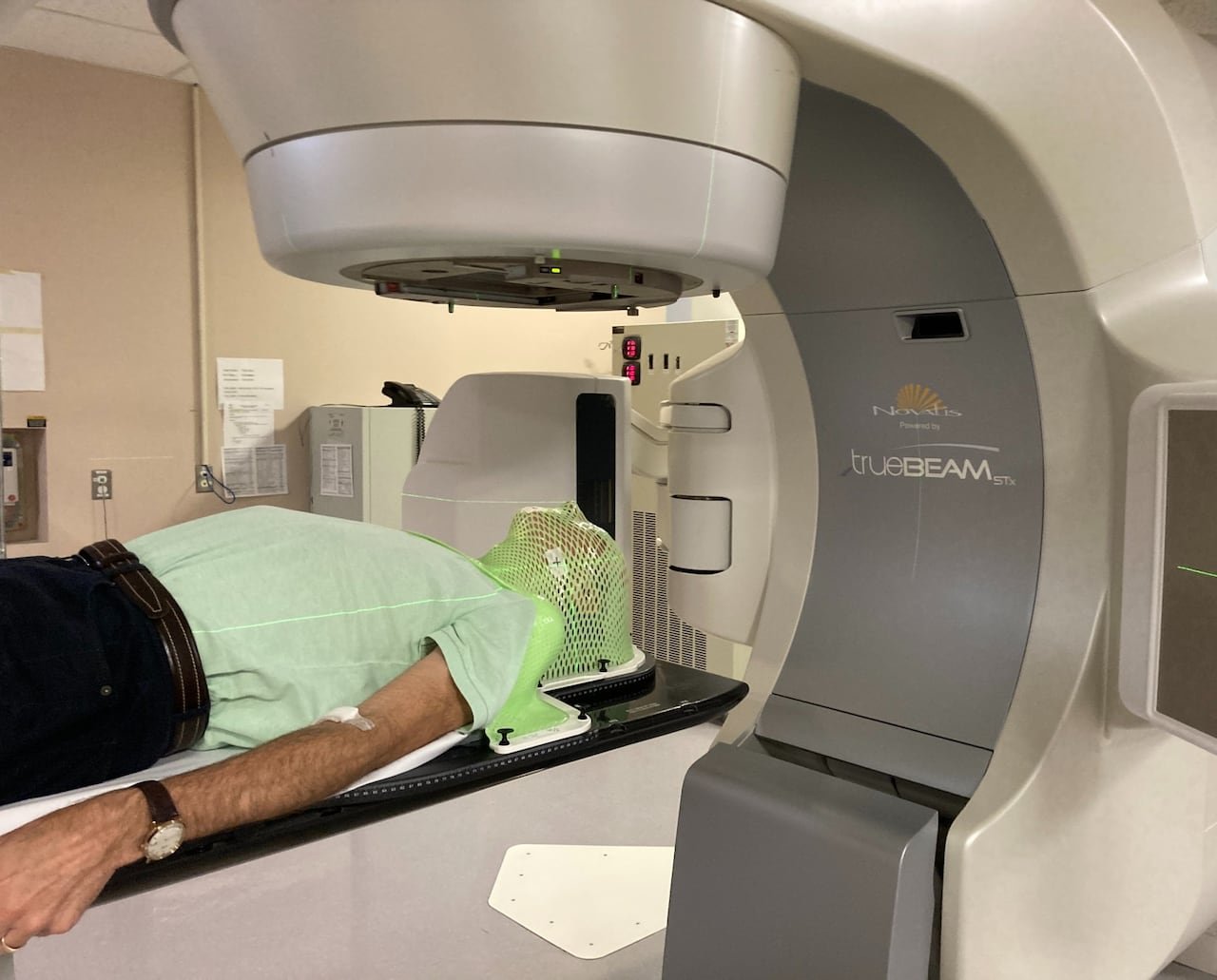
Submitting my license and tags, along with a plea for eligibility next year, required a compassionate appeal to the provincial wildlife department. Dr. Brent Tompkins, my radiation oncologist, emphasized my severe health condition, prolonged recovery period, and the essential support from my wife in his letter without any hesitation.
The grateful side of me acknowledged this gesture, while a whimsical thought crossed my mind. I envisioned Dr. Tompkins complaining to his colleagues at the cancer clinic about the time wasted on me, contrasting his life-saving efforts with my moose hunting priorities, a scenario that