

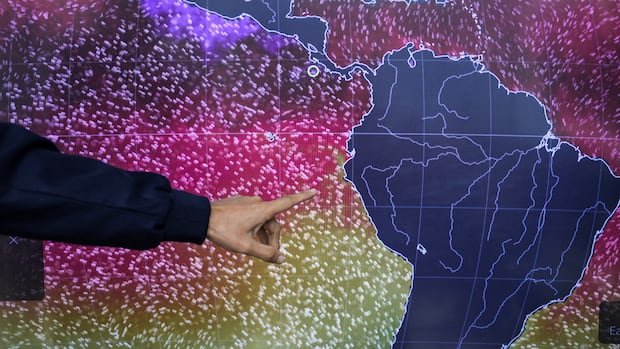

El Niño, a natural climatic phenomenon known for causing periodic spikes in global temperatures, is projected to reach its peak in several months and persist through the upcoming spring, according to experts. Current observations already show noticeable impacts on weather patterns and societal readiness.
In Panama, the low water levels in the Panama Canal are evident due to reduced rainfall associated with the El Niño event. This has prompted the Panama Canal Authority to limit daily transits as they anticipate an extended El Niño season. Displaced seabirds, like blue-footed boobies, have been observed in greater numbers near Panama City, a consequence of El Niño altering marine food supplies.
Governments across Latin America are taking proactive measures in anticipation of El Niño’s strengthening impact on the region. From mobilizing firefighters to implementing contingency plans, preparations are underway to address potential droughts, extreme heat, and flooding that may arise in the coming months. In Honduras, red alerts have been declared in multiple municipalities due to adverse climate conditions affecting agriculture and livestock.
In Indonesia, salt farmers in West Java are benefiting from a drought induced by El Niño, while crop farmers are bracing for prolonged heat challenges. The country’s dry season is expected to be more intense and prolonged than usual, impacting access to groundwater and posing risks of wildfires. United Nations officials have cautioned that the intensifying El Niño could exacerbate extreme weather events globally.
In Canada, a warmer winter is predicted for many regions due to the influence of El Niño, with British Columbia’s south coast likely experiencing reduced precipitation and snowpack levels. Additionally, El Niño typically leads to fewer tropical storms in the Atlantic. The gradual development of El Niño provides governments with a window of opportunity to prepare for its potential severe impacts.
Overall, the effects of El Niño are already being felt worldwide, urging nations to enhance their readiness and response strategies to mitigate the challenges posed by this climatic phenomenon.