


Leaders from Neskantaga First Nation are appealing for assistance from provincial and federal authorities to address the urgent need for a new healthcare facility. This request comes as the community’s most vulnerable members are facing their second evacuation this summer.
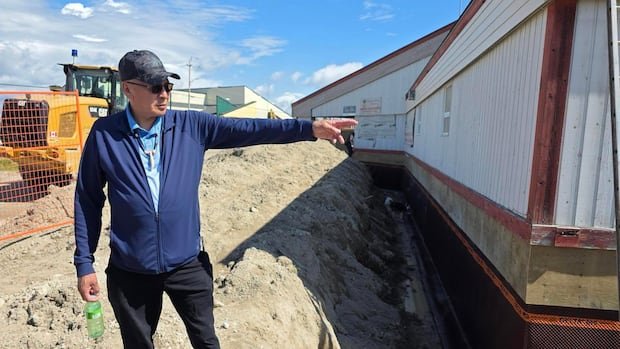
Situated approximately 440 kilometers northeast of Thunder Bay, Ont., the remote Ojibway community declared a state of emergency on Aug. 4 due to a sewage leak at its sole nursing station. With fewer than 400 residents, the First Nation has been grappling with ongoing challenges.
The recent incident occurred shortly after over 140 community members had returned home from Toronto following a wildfire-triggered evacuation. Last year, the community faced a three-month evacuation due to a flood and fuel smell at the nursing station. Chief Gary Quisses highlighted that despite previous requests, the community has not received a concrete response for a new healthcare facility.
Neskantaga has been under a boil water advisory for 31 years, marking the longest active advisory in Canada. Speaking to CBC News, Chief Quisses expressed the growing stress and overwhelming feelings within the community.
The severity of the situation prompted the evacuation of more than 250 individuals to Toronto. Quisses emphasized the urgent need to replace the nursing station’s foundation, as raw sewage contamination requires manual removal, as indicated in a statement from Aug. 6.
During a news conference at Queen’s Park, Neskantaga leaders, including Kiiwetinoong NDP MPP Sol Mamakwa, addressed the pressing healthcare challenges faced by the community. Mamakwa highlighted the critical role of existing healthcare services, particularly the nursing station in Neskantaga, underscoring their vulnerability.
The current nursing station, built in 1994, can only provide basic medical services following the recent leak. Indigenous Services Canada (ISC) is working with the First Nation to assess the situation and determine next steps for the restoration of the facility, with no definitive timeline provided.
Acknowledging the long-standing water and wastewater issues at Neskantaga, Kerry Black, a Canada Research Chair at the University of Calgary, stressed the need for sustainable funding and community-led solutions to address the recurring challenges. Charla Moonias, a child and family services prevention worker for Neskantaga, highlighted the ongoing struggles faced by the community due to inadequate infrastructure and essential services.
As the community awaits the restoration of the nursing station, Chief Quisses hopes that the current situation sheds light on the community’s dire conditions, particularly amidst development initiatives in the region. Quisses emphasized the urgent need for improved healthcare infrastructure and essential services to address the community’s longstanding challenges.