

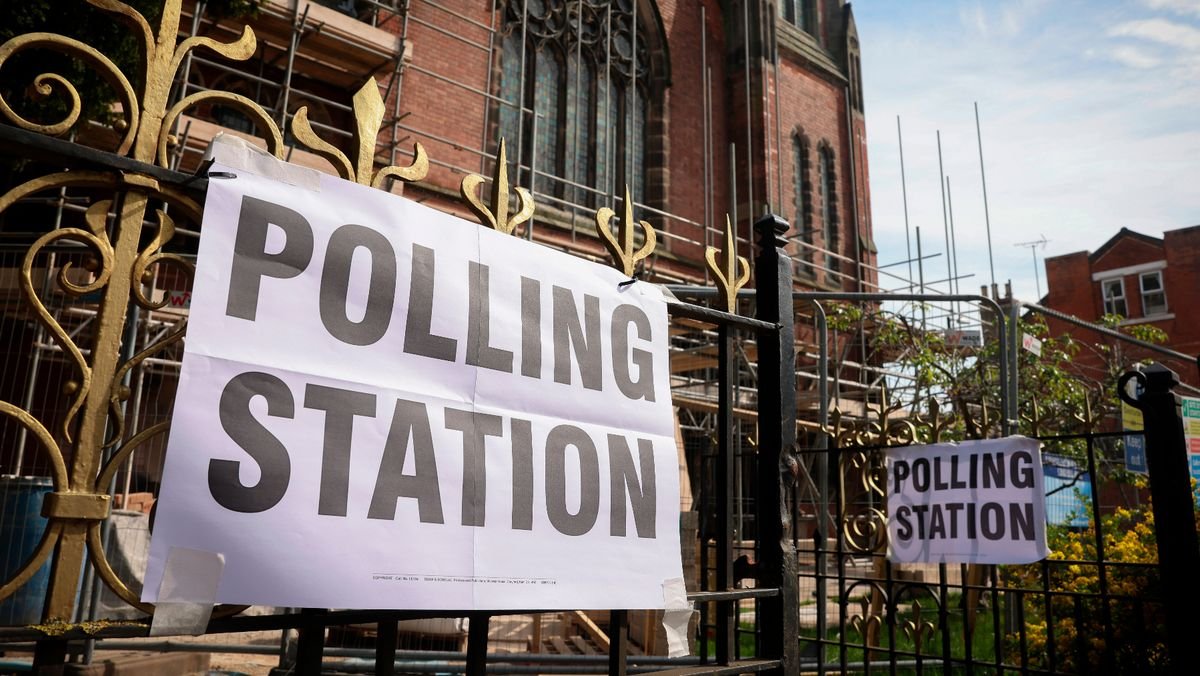

Local elections in multiple English councils scheduled for May have been delayed, according to confirmation from Local Government Secretary Steve Reed. A total of 29 councils will not proceed with their elections as planned, now rescheduled for 2027. The upcoming May 7 elections in England will see voters choosing councillors, coinciding with elections in the Scottish and Welsh Parliaments.
Concerns raised by over 350 authorities regarding the potential disruption caused by a significant restructuring of local government led to the postponement. The restructuring aims to eliminate the existing two-tier system in much of England, where district and county councils share different responsibilities within the same area in favor of single-tier “unitary” authorities.
Critics have accused the Government of disenfranchising millions of voters by calling off the elections. In response, Reed defended the decision, emphasizing that the reorganization would enhance local government’s efficiency in serving the public.
Several councils, including Lincoln, Exeter, Norwich, Peterborough, and Preston, are among those where elections will not proceed on May 7. Similarly, district councils such as Cannock Chase, Harlow, Welwyn Hatfield, and West Lancashire will also see delays.
In addition to the aforementioned delays, polling day for county council voters in East Sussex, West Sussex, Norfolk, and Suffolk has been postponed, and current councillors’ terms extended. However, voters in certain areas, like Essex County Council, Hampshire County Council, and Isle of Wight Council, will elect councillors after a one-year delay.
Reed assured that despite the delays, the majority of the 136 local elections scheduled for May across England will proceed as planned, with only a few exceptions. He emphasized the importance of making local government more effective for the benefit of local residents.
Chief Executive of the Electoral Reform Society, Darren Hughes, highlighted the significance of elections as a cornerstone of representative democracy. He expressed concern that elections should not be viewed as a bureaucratic inconvenience but as a crucial mandate empowering local politicians to make decisions for the communities they represent.