

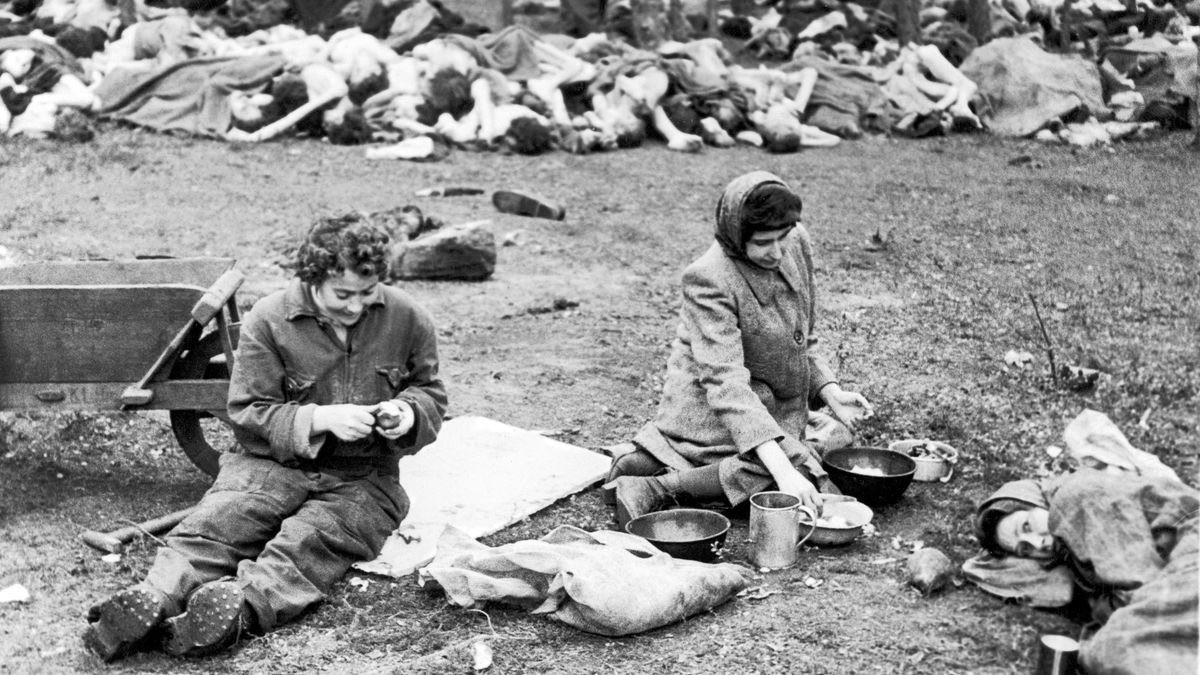

Protests erupted in Germany following the dissemination of fabricated AI images depicting the Holocaust for profit. Former concentration camps, such as Bergen-Belsen and Dachau, issued a joint letter demanding action against this exploitation. The images, designed solely for financial gain, were condemned for distorting historical events through artificial intelligence.
These fake images, emotionally charged and visually convincing, portray scenes like starving children behind barbed wire and fictional reunions between prisoners and liberators. Over 80 memorials, archives, museums, and research institutions in Germany signed the letter denouncing the use of AI to blend historical facts with emotional fiction, ultimately erasing documented history.
The letter highlighted the exploitation of Holocaust survivors’ life stories for profit by leveraging the emotional impact of the tragedy for increased online visibility. It warned against the dissemination of AI-generated content that distorts historical accuracy, manipulates victim-perpetrator roles, and promotes revisionist narratives through platform algorithms.
Germany’s culture minister called for EU intervention to combat the spread of AI-generated Holocaust content on social media platforms. He emphasized the need for clear labeling of such material and the cessation of profits derived from fabricated historical representations. The minister stressed the importance of preserving the authenticity and integrity of Holocaust remembrance sites and historical institutions.