

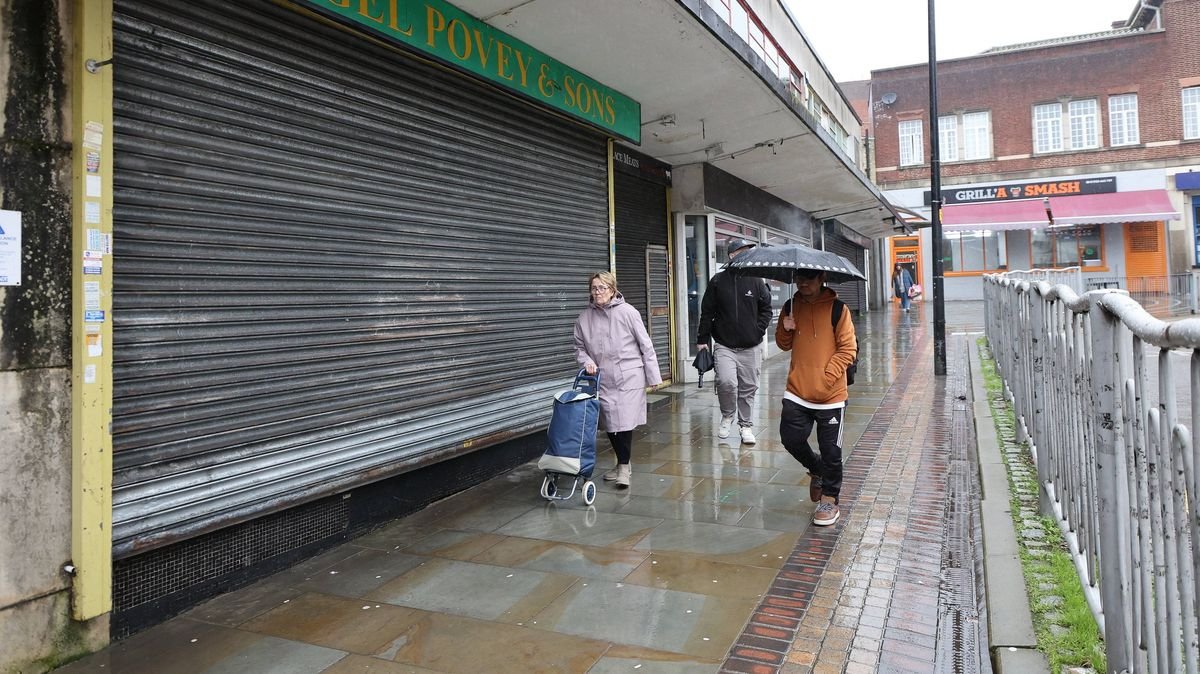

Residents of a town in Britain, once known for its bustling atmosphere, have drawn comparisons between their everyday life and an episode of the popular TV show “Shameless.” Walsall, situated in the West Midlands, has been identified as the most deprived area in the UK as per the Demos-PwC Good Growth for Cities Index 2025. Locals depict the town, historically renowned for its leather trade, as resembling a “warzone,” with many feeling unsafe to venture out after sunset.
Reports indicate that the streets are plagued by rowdy youths, gang conflicts, and drug users, rendering certain areas inaccessible even during daylight hours. A specific neighborhood is infamous for being home to “Britain’s roughest estate.”
Evident images showcase the town’s decline into a state akin to a “slum,” characterized by litter-strewn streets, abandoned commercial properties, and boarded-up residences. Residents mourn the deterioration of their once vibrant town, which was a hub for prominent retailers and independent stores, attributing its decline over the past two decades to factors such as escalating unemployment rates and inadequate investments.
A local resident, Daniel Briars, aged 40, disclosed, “I know someone who operates a market stall, and some days he barely makes £100.” He reminisced about the town’s lively past, highlighting its vibrant shopping scene and bustling nightlife, contrasting it with the current landscape dominated by vape shops, charity outlets, and vacant storefronts.
Expressing his dismay, a resident from the notorious Blakenall estate, previously labeled as Britain’s toughest, affirmed Walsall’s reputation as the nation’s worst location. He voiced, “The town truly deserves its ranking; it’s dreadful. Having lived here for 40 years, I’ve witnessed a significant decline. The prevalent issues are rubbish and drugs. The local authorities and law enforcement show little concern for our welfare.”
Furthermore, Walsall was ranked as having the second least healthy high street and the third worst job market in the country according to the research findings. The Good Cities Index, evaluating a city’s economic performance, indicates that the town faced more challenges in growth compared to other areas in the past year. The assessment encompasses 12 distinct criteria, including employment opportunities, skill levels of the workforce, and housing affordability.
A market vendor, known only as David, raised concerns about the rising incidence of shoplifting affecting his business. Highlighting the prevalent poverty in the vicinity, he expressed fear over gang activities near his stall after closing hours. In contrast, Mary Davis, aged 83, who moved to Walsall from Ireland during her youth, expressed contentment with calling Walsall her home, despite acknowledging the closure of beloved stores from her earlier days.
Deputy Leader of Walsall Council, Councillor Adrian Andrew, emphasized the need to alter the prevailing negative narrative surrounding Walsall. He underscored various ongoing redevelopment initiatives aimed at revitalizing the town. Adrian commented, “Walsall is experiencing positive changes driven by our determination and ambition. Our borough faces challenges, but we are committed to transforming it for the better.” He outlined the “We Are Walsall 2040” plan designed to address disparities across the borough through collaborative efforts with partners in healthcare, law enforcement, education, and skills development.
As transformative projects unfold, delivering essential infrastructure and opportunities, the future of Walsall appears promising, according to Adrian.