

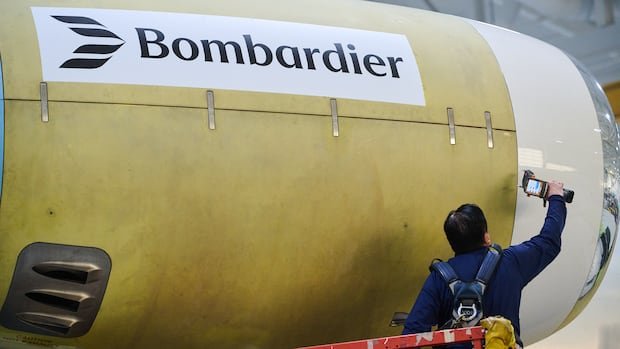

U.S. President Donald Trump has shifted his stance on potentially banning the sale of Bombardier planes in the United States, providing a sense of relief to the aerospace industry following recent trade war tensions.
During a campaign rally on Monday night, Trump expressed a change in his perception of Bombardier, acknowledging the company’s presence in Kansas and indicating support to help them navigate their business challenges.
Bombardier’s defence division, headquartered in Wichita, employs around 3,500 American workers across various states, including Kansas, Texas, and California.
The recent political landscape in Kansas has intensified as Republicans and Democrats vie for control ahead of the upcoming midterm elections. Trump credited a phone call from Kansas Republican Senator Roger Marshall for influencing his decision to retract the threat against Bombardier.
Last month, Trump had threatened to prohibit Bombardier aircraft sales in the U.S. unless the company relocated its operations to the country, despite concerns raised by experts regarding the potential negative impact on American workers.
Responding to the situation, Bombardier highlighted its significant contributions to the American aerospace industry, including substantial financial support to numerous American suppliers and investments in skills development centers.
While Trump’s initial stance caused uncertainty, his recent shift has been perceived positively, easing concerns for investors. The threat did not significantly impact demand for Bombardier’s luxury jets among American customers in recent weeks, as the company’s shares saw an increase following the announcement.
The interconnected nature of aerospace manufacturing across North America underscores the importance of companies like Bombardier, with a considerable portion of their products containing U.S. components. Blocking such manufacturers from the market would have far-reaching consequences, potentially leading to revenue losses and job cuts in American parts suppliers.
Trump’s previous actions, including the threat against Bombardier, occurred amidst escalating trade tensions between the U.S. and Canada, with retaliatory measures from both sides affecting various industries. This latest episode marks the second time this year that Bombardier has been a focal point in Trump’s trade-related rhetoric.