

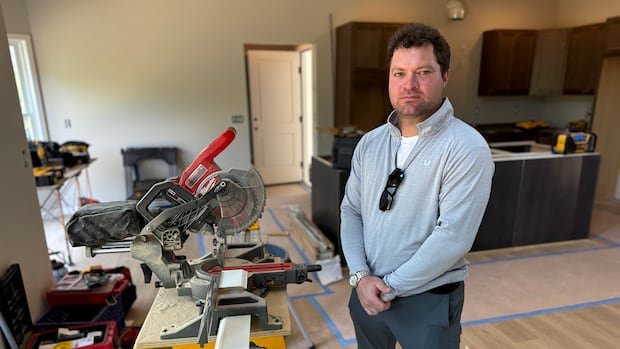

The sound of construction tools fills the air in a residential home in Ohio as Joe Koch oversees the final touches on the project. Koch, the vice president of operations for his family business, had anticipated multiple new builds in the area, but the ongoing trade war has disrupted those plans.
Due to the tariffs imposed by President Donald Trump on Canadian and other nations’ goods, Koch has been forced to adapt by sourcing materials locally instead of from Canada. He views the trade challenges he faces as reflective of the broader issues affecting Ohio’s economy.
The trade uncertainty has made financial planning and procurement challenging for Koch, emphasizing the importance of building relationships and finding compromises in the trade landscape. While navigating these difficulties, Koch remains resolute in facing the trade storm head-on, recognizing the need to adapt to the changing trade dynamics.
Youngstown, Ohio, once a steel hub, has diversified its economy over the years but still heavily relies on manufacturing jobs. The ongoing trade war between the U.S. and Canada could impact the more than 20,000 manufacturing jobs in the region, raising concerns among residents about the economic repercussions.
With Ohio being a significant exporter to Canada, the escalating tariffs have raised concerns about the potential impact on various sectors, including steel, plastics, and automotive parts. The trade tensions have sparked mixed reactions among local businesses, with some seeing potential benefits from the tariffs, while others are grappling with the challenges they pose.
As businesses like Shapes Unlimited in Ohio face obstacles in expanding their markets due to the trade war, concerns about rising costs and disrupted supply chains have become prevalent. The impact of the tariffs on businesses and consumers alike is leading to a reassessment of the trade policies and their effects on the economy.
While some individuals remain optimistic about the trade war’s outcomes, others, like CEO Doug Rende, express frustration over the obstacles it presents to their businesses. Rende highlights the need for a more sustainable approach to trade policies to avoid long-term negative consequences for businesses and consumers.
As the trade war continues to unfold, its effects on businesses, jobs, and the economy are becoming more pronounced, prompting a reevaluation of trade relationships and policies. The upcoming November midterms are expected to reflect the sentiments of Americans affected by the trade tensions and their implications for the future.