

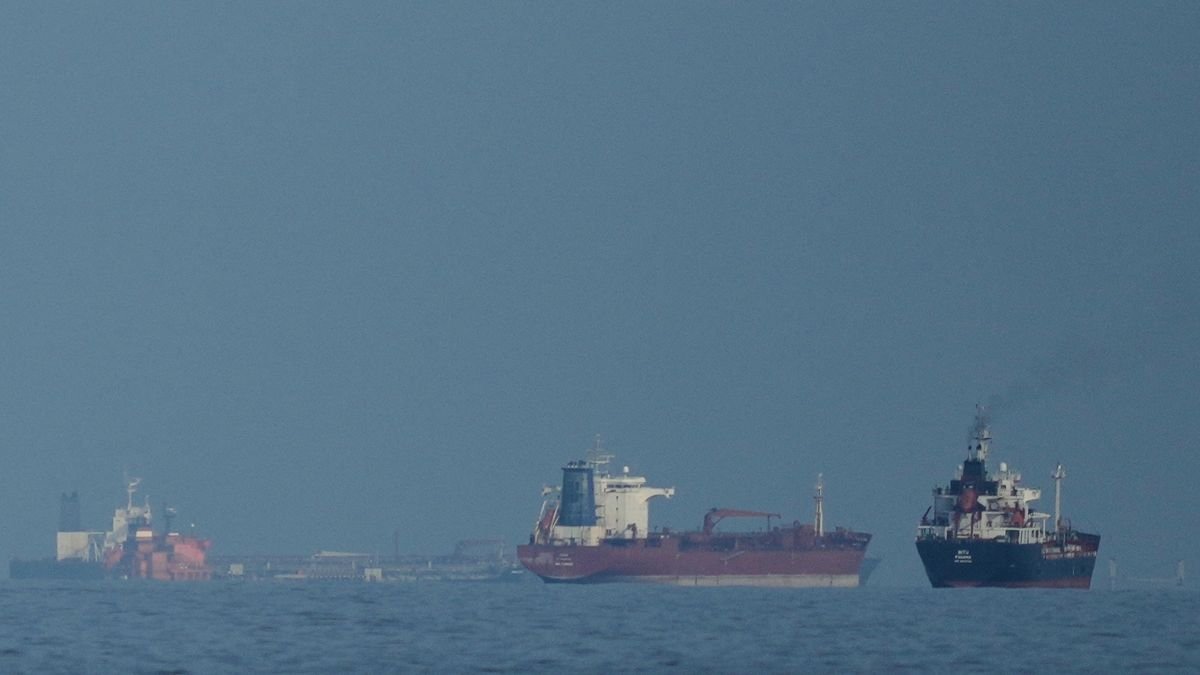

The possibility of energy rationing looms as the Iran conflict persists, as per a warning from an expert. Disruption in oil exports from the Gulf due to a virtual blockade at the Strait of Hormuz has led to a significant surge in oil prices, hitting approximately $106 per barrel in early trading on Monday.
Iran’s use of the strait, a crucial passage for a fifth of the world’s oil and gas trade, as a potential battleground by threatening tanker attacks is raising concerns about prolonged repercussions. Nick Butler, a former strategy head at BP and advisor to ex-Prime Minister Gordon Brown, cautioned about an imminent physical supply shortage.
Butler emphasized the need for government readiness in the face of a potential supply shortfall in the coming months, hinting at the likelihood of energy rationing. Urging a focus on safeguarding critical sectors like healthcare and food supply, he proposed a pragmatic approach to managing available resources until new oil fields in the North Sea come online.
The concern extends beyond the domestic sphere, as Butler highlighted the global implications of an oil shortage leading to international competition for supplies. Responding to queries on rationing, Prime Minister Keir Starmer assured that necessary measures are being taken to ensure a stable energy supply.
Concurrently, the spike in oil prices is translating into higher fuel costs for drivers, prompting government warnings against profiteering. The fallout from the conflict is also impacting new mortgage borrowers, with industry data showing an increase in average fixed mortgage rates over the weekend and a decrease in available mortgage deals.