

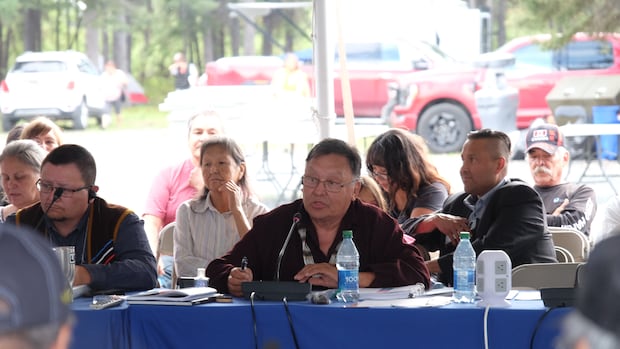

Dehcho Grand Chief Herb Norwegian frequently hears accounts of individuals visiting health facilities only to be prescribed Tylenol and sent home. He noted that staff often first inquire if the patients are intoxicated.
A recent series of suggestions aimed at enhancing health care in the Dehcho region of the N.W.T. emphasizes the need for improved staffing and equipment. However, residents assert that the most crucial aspect is having trustworthy personnel.
“They need to enhance that relationship and how they interact with individuals,” Norwegian remarked.
The recommendations come after a thorough investigation into the early 2025 deaths of three residents in Dehcho: Wesley Marcellais, 44, Hilary Norwegian, 34, and Avery Burke, 6. Families of the victims, alongside several N.W.T. politicians, claimed that these fatalities were preventable and highlighted the disparities within the territory’s healthcare system.
Norwegian emphasized that the focus should be on attracting medical professionals and fostering an environment where they wish to remain in the communities, although he acknowledged the complexities involved.
“It’s our responsibility to identify ways to address the issue,” he stated.
In March 2025, MLAs approved a motion urging the territory’s health minister to appoint an investigator to examine the deaths.
Health Minister Lesa Semmler presented the investigator’s recommendations in June, but the Department of Health and Social Services (HSS) stated that the complete report and its findings remain confidential. Semmler declined to provide an interview with CBC News, indicating that her department is still assessing the findings.

A Dehcho First Nations flag in the N.W.T. The deaths of three individuals in the Dehcho within a short period in early 2025 led to an investigation and recommendations on enhancing healthcare in the area. (Nicole Wang for CBC North)
The 18 recommendations comprise clarifying the roles of healthcare staff, ensuring adequate staffing levels, and providing appropriate medical equipment at all health facilities.
Norwegian acknowledged the importance of these measures, but maintained that trust holds the most significant influence.
‘Live that bush life’
In Fort Providence, Elder Joachim Bonnetrouge stated that the care in their community is commendable, largely due to the long-standing presence of the same medical personnel for over a decade.
“Having dedicated nurses who are committed to the community fosters a sense of confidence,” he explained.
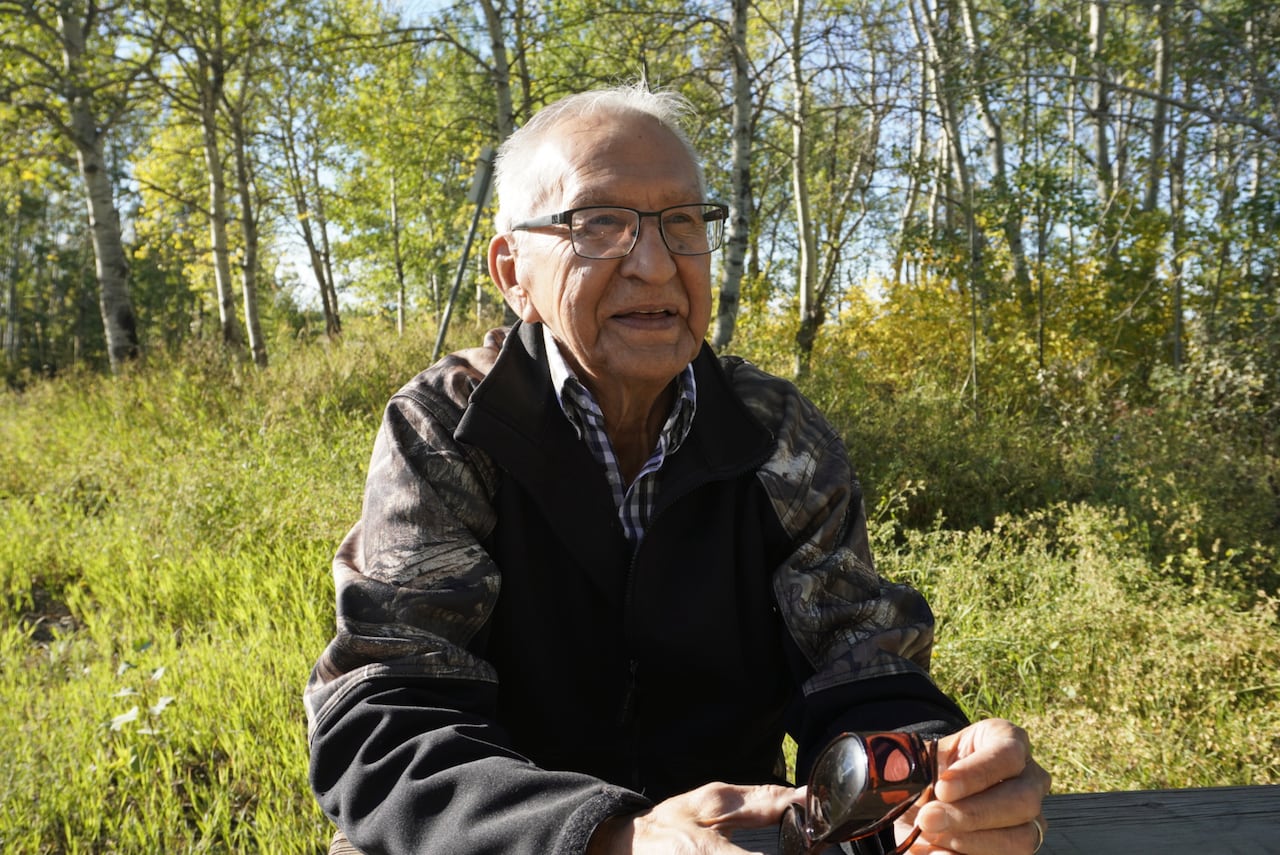
Joachim Bonnetrouge believes that quality healthcare in his community stems from enduring relationships with long-term medical staff. (Natalie Pressman/CBC)
Norwegian pointed out that there is an insufficient number of doctors and nurses available for those requiring treatment. He recognized the national shortage of medical professionals and the challenges in attracting them to Northern regions.
One suggestion is to motivate young individuals in the Dehcho to pursue careers as doctors, nurses, and psychologists. However, resources to facilitate this initiative are limited.
“It all comes down to funding and time,” he remarked.
For communities with road access, it often makes sense to travel to Yellowknife for healthcare, even when it requires a long journey. However, this is not feasible for those relying on medical evacuations.
He advises maintaining a healthy lifestyle to minimize the need for medical care.
“Live that bush life if possible,” Norwegian urged. “Try to absorb as much fresh air as you can and focus on healthy eating. That’s probably the best advice I can offer.”
Health care in small communities ‘tough nut to crack’
Jason Sutherland, a health services and policy professor at the University of British Columbia, remarked that the recommendations address challenges that are not exclusive to the N.W.T.
“Delivering health care in Canada’s rural and remote areas has proven to be a significant challenge,” he stated.
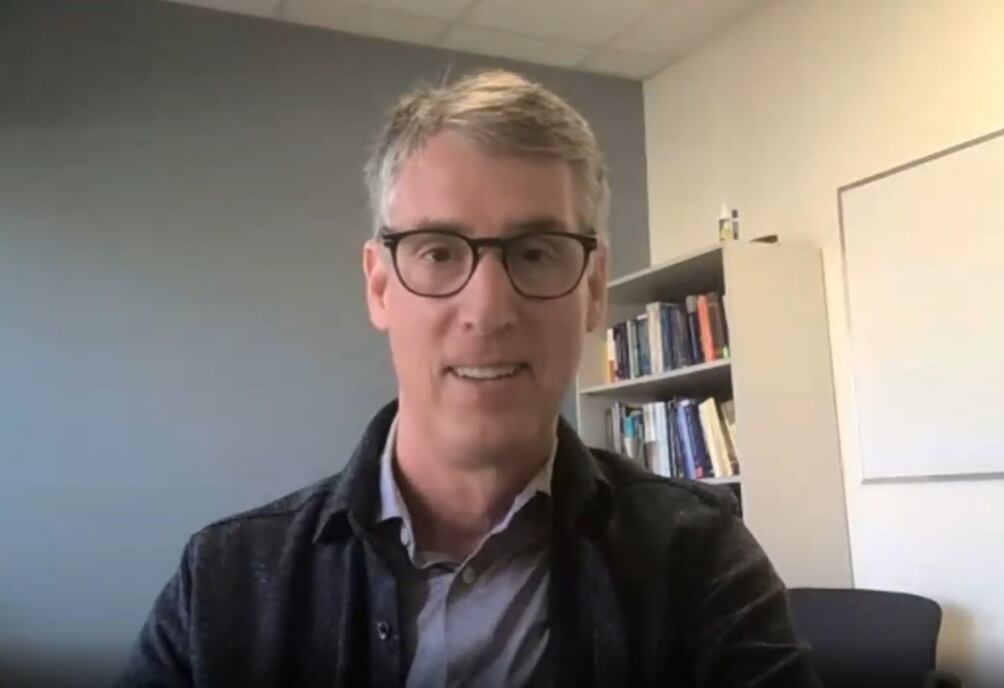
UBC professor Jason Sutherland expressed hope that the territory will implement all 18 recommendations. (CBC)
He believes the investigator’s suggestions are pragmatic and that the territory should aim to adopt them all.
“Is there a financial implication? Certainly,” he acknowledged. However, Sutherland emphasized that it is “part of the responsibility” to ensure access to some level of health-care services, “no matter where Canadians reside.”
Former N.W.T. health minister Julie Green expressed her desire for the recommendations to be put into action. Yet, she is concerned that without a structured plan or accountability to formulate one, progress on the recommendations may stall.
“I don’t have high hopes for them advancing,” Green stated.
“The recommendations lack a timeline for developing a plan. They do not appear to include resources for increasing staff, supplies, equipment, or technology, all of which are critical areas.”
Green noted that while the territory has limited resources to invest in its 33 communities, she urges the government to prioritize and create a strategic plan to address these needs.
A representative from the health department informed CBC News via email that the department expects to provide additional information this fall regarding its forthcoming steps.