

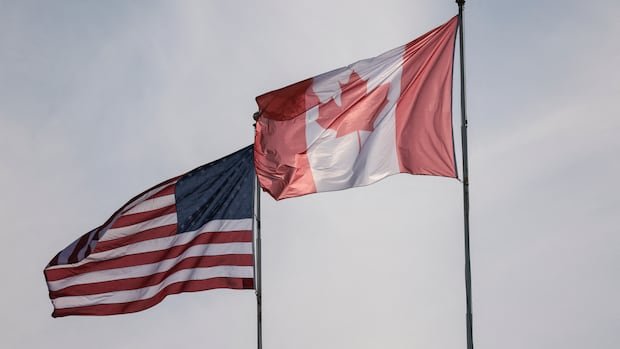

Canada and the United States are currently engaged in a trade conflict that is escalating, with potentially significant impacts for both nations. The breakdown of trade talks last week led to the imposition of U.S. tariffs at a rate of 50 percent on Canadian goods worth $27.6 billion.
In response, Prime Minister Mark Carney announced retaliatory tariffs on U.S. goods of equal value, scheduled to come into effect on September 8. President Donald Trump has further threatened to raise tariffs on Canadian automotive products and steel from 25 percent to 50 percent, effective January 1, 2027.
Both countries appear resolute in their stance, with no signs of backing down. As the standoff continues, Canadians are bracing for potential economic repercussions. The Canadian government has unveiled a $7.5 billion support package to assist workers and businesses affected by the new tariffs.
The situation is intensifying, prompting journalists Willy Lowry, Katie Simpson, and Paul Hunter to explore the potential severity of the trade dispute and the conditions required for the resumption of negotiations between the two nations.
Below are key points from their discussion, focusing on the escalating trade tensions. For the full podcast discussion, click here.
Paul Hunter: Katie, how severe could this trade conflict become?
Katie Simpson: Canadians should prepare for challenging times ahead.
The recent announcements include additional economic support for Canadian businesses facing significant hardship due to the strategically targeted 50 percent tariffs imposed by the U.S. These levies are expected to severely impact small to medium-sized businesses, potentially leading to economic distress in various communities.
There will likely be numerous stories highlighting the struggles faced by individuals, such as concerns about mortgage payments, providing for their families, affording extracurricular activities like hockey, and supporting higher education costs. These hardships are anticipated to spark tough conversations across Canada in the coming weeks and months, as the current escalation shows no signs of abating.
Given the absence of a clear resolution path, there may be an increasing demand for social support measures from the federal government to assist those facing potential job losses or reduced work hours.
Paul Hunter: The situation is becoming more pressing. It’s a test of resilience.
Katie Simpson: We have discussed the prevailing sense of patriotism in Canada and the growing movement to support local products while boycotting American goods.
This call to action is being echoed by the government and Canadian employers. However, the prolonged dispute poses challenges for Canada, a nation with a population of 41 million, reliant on trade with the U.S. for economic prosperity.
As the standoff persists, Canadian businesses and employers will face mounting difficulties in sustaining operations.
Willy Lowry: Indeed, over the past year and a half, the impact of tariffs and the broader economic measures against Canada by the U.S. has been somewhat mitigated.
While the tariffs have been felt nationwide, the effects have not been as severe as initially anticipated.
Paul Hunter: Mark Carney’s observations about the evolving Canada-U.S. relationship hold true, reflecting the changing dynamics under the current U.S. administration.
There is a strategic calculus that Canadians may not tolerate the ongoing situation and could pressure the government to seek a resolution. It remains to be seen whether Canadians will challenge this narrative.