

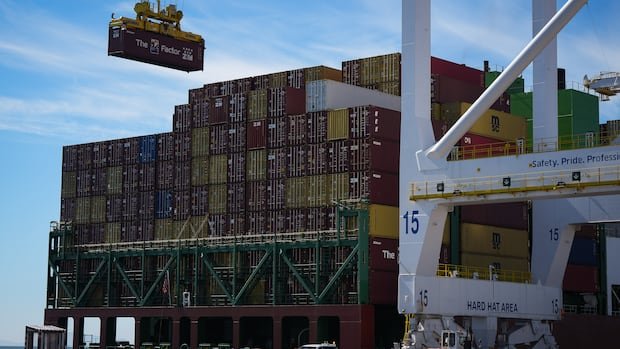

The recent U.S. prohibition on Canadian molasses imports has reignited concerns about sugar smuggling and a conflict within the industry involving a company with a significant refinery in Hamilton, Ontario.
In the ongoing trade dispute between Canada and the U.S. during President Donald Trump’s second term, disputes over dairy, automobiles, and alcohol have become entrenched. However, the decision to ban molasses imports by the U.S. earlier this month has raised eyebrows.
The ban, set to come into effect on September 29, will also include bans on motorcycles, certain alcoholic beverages, and some dairy products.
This action follows months of lobbying by American sugar producers urging their government to impose higher tariffs on foreign sugar products, citing competition from cheaper imports from other countries.
There are allegations that Canadian refineries are importing mixtures of raw sugar, molasses, and water but passing them off as pure molasses to evade sugar tariffs and quotas, which has drawn attention from U.S. sugar producers.
‘Closing the spigot’
Sugaright, a division of CSC Sugar, based in Connecticut, highlighted the need to halt the flow of diluted molasses from Canada as a key discussion point at the International Sweetener Symposium held in Vail, Colorado, earlier this summer.
An August blog post on Sugaright’s website stated, “Canadian ‘molasses’ containing substantial sugar is being viewed as a potential sugar-program circumvention problem. The U.S. sugar industry and the federal government are now focused on completely stopping this flow.”
The issue traces back to a 1990s case involving a Michigan company, Heartland By-Products, which mixed molasses with sugar and water at an Ontario facility to import the blend without tariffs. The company would then refine it in the U.S., separating the molasses to sell the purified sugar and send the molasses back to Canada for reuse.
While this scheme was legal, pressure from the sugar industry and legal restrictions led to the company ceasing operations in the 2000s.
Despite claims of disguised molasses entering from Canada, a U.S. Department of Agriculture report in August indicates a significant decline in molasses imports for sugar extraction.
Company’s Response
Don Hill, chair of Sucro Can Sourcing, asserts that the recent accusations are targeted at his company, headquartered in Florida with a major refinery in Hamilton.
Hill stated, “They are linking our legitimate molasses shipments to what a company did two decades ago, creating a negative perception and casting doubts.”