

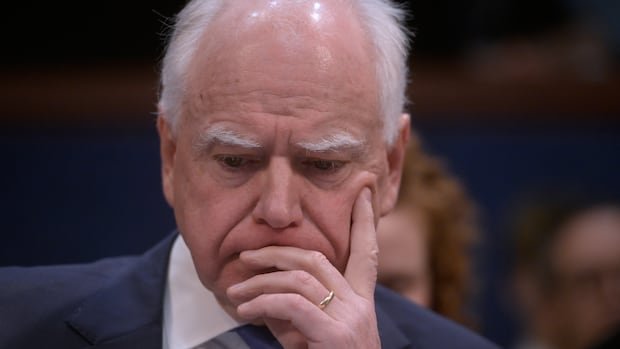

Minnesota Governor Tim Walz announced on Tuesday that the state will not be processing permits for proposed mining projects in the Boundary Waters Canoe Area Wilderness. This decision comes four months after the federal ban on mining in the area was lifted by the U.S. Congress and President Donald Trump’s administration.
The Boundary Waters Canoe Area Wilderness, located along Minnesota’s border with Canada in the Superior National Forest, is a popular destination for outdoor enthusiasts. Governor Walz, a Democrat, emphasized the importance of preserving the wilderness in its natural state.
While Governor Walz’s executive order is temporary and set to expire in April, the next governor could potentially continue it. Twin Metals Minnesota LLC, a subsidiary of Antofagasta Minerals based in Chile, has been pursuing mining activities for copper, nickel, and other metals in the national forest since 2019, with a commitment to minimizing environmental impact.
Concerns have been raised about potential pollution from mining activities affecting the canoe area, which is downstream from the proposed mine site. President Trump had previously lifted the federal moratorium on mining in the forest, citing job creation and industry growth benefits.
Governor Walz’s order also includes a directive for the Minnesota Department of Natural Resources to work on legislation that would prohibit nonferrous mining in the Rainy River watershed, which is linked to the Boundary Waters. The move has sparked criticism from U.S. Representative Pete Stauber, a Republican, who accused the governor of jeopardizing the region’s economic prospects.
Becky Rom, chairperson of the advocacy group Save the Boundary Waters, commended Governor Walz for his decision, highlighting the importance of protecting the clean water and natural beauty of the area. Legal expert James Coleman noted that the order introduces uncertainty for future mining projects, as they require both state and federal approvals, which could be subject to changing political landscapes.