

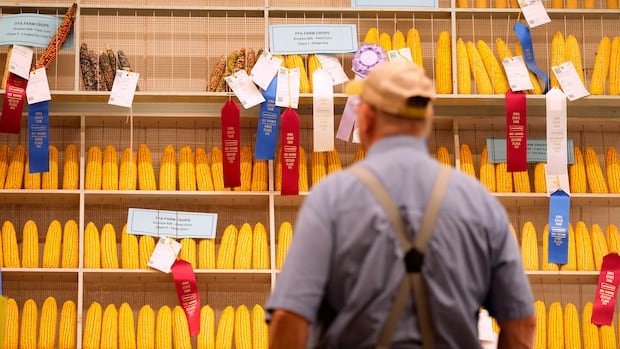

This weekend, a large crowd is gathered at the Iowa State Fair, a popular event known for its entertainment, rodeo, and iconic butter cow sculpture crafted annually since 1911. Similar to the Calgary Stampede in Canada, the fair serves as a significant platform for politicians to engage with voters, especially with the upcoming U.S. midterm elections.
One pressing issue on the minds of Iowans is the impact of President Donald Trump’s trade policies. Aaron Lehman, a fifth-generation family farmer and president of the Iowa Farmers Union, expressed concerns about the trade war’s disruptive nature, stating that the uncertainty has made it challenging for farmers to navigate the shifting landscape of international markets.
The loss of international customers due to the trade disputes has been particularly impactful for Iowa farmers, with Canada being a crucial export market, accounting for 30% of the state’s total goods exports in 2025. The looming threat of Trump imposing 50% tariffs on Canadian goods on August 19 has added to the economic uncertainty faced by farmers like Lehman.
Furthermore, the strained trade relations with Canada have sparked worries among farmers and residents in Iowa, leading to increased competitiveness in the upcoming midterm elections. Trump’s economic policies have caused a rift between him and Iowa farmers, as indicated by shifting political poll trends compared to previous election cycles.
While some Iowa Republicans have voiced support for Trump’s tariff tactics, others, like farmer Jack Ploen, have expressed reservations, emphasizing the importance of maintaining strong partnerships with key trading allies like Canada. The ongoing trade negotiations between Canada and the U.S. remain at an impasse, with significant disagreements hindering progress towards a resolution.
Despite efforts to reach a tariff deal, sources indicate that substantial gaps persist between the two nations, casting doubt on the likelihood of an imminent agreement. The federal government has advised provinces to prepare for potential changes in trade policies, underscoring the complex dynamics at play in the ongoing trade talks between Canada and the U.S.