

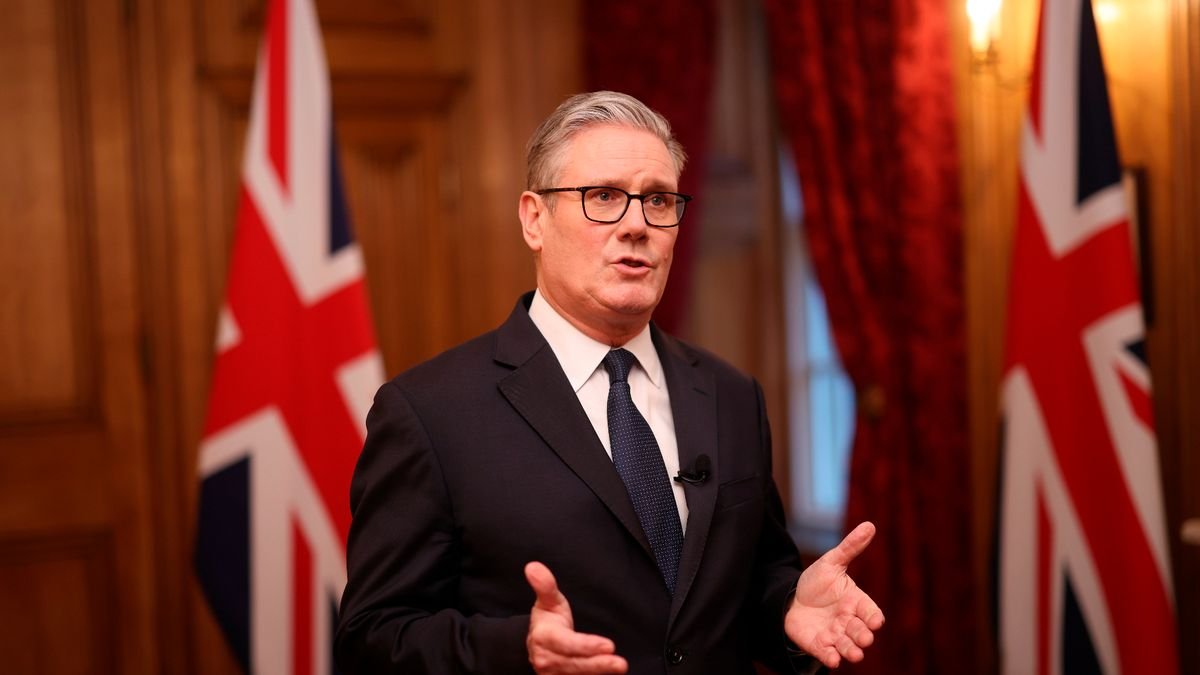

On the surface, this appeared to be a favorable week for Keir Starmer. Following persistent threats by Donald Trump to annex Greenland, the Prime Minister collaborated with fellow NATO nations to prompt a reversal, thus shielding the UK from tariffs. This diplomatic success underscored Starmer’s adeptness on the global stage. However, the respite was short-lived as Trump sparked controversy by falsely suggesting NATO allies had shied away from the front lines in Afghanistan, a conflict that claimed the lives of 457 British soldiers.
Starmer’s strategy toward Trump, characterized by lavish praise and diplomacy, positioned him as a key intermediary between Europe and the US. Nevertheless, tensions escalated early in 2026 when Starmer was sidelined from Trump’s Venezuela plan and rebuffed the President over the Greenland issue and vehemently condemned the Afghanistan remarks, urging Trump to apologize.
The close alliance with Trump was always precarious, given the unpredictable nature of the US President. Starmer’s attempts to salvage the relationship by aligning on common ground could prove challenging, as Trump’s sentiments toward individuals can swiftly sour. The emergence of potential rival Andy Burnham, the Mayor of Greater Manchester, adds a new dynamic to the political landscape. The vacancy left by Andrew Gwynne’s resignation has paved the way for Burnham’s potential return to Westminster, stirring speculation and concern within Labour circles.
Internal party dynamics complicate matters further, with factions vying for leadership positions. The prospect of Burnham’s candidacy has stirred debate about the party’s direction and leadership choices. Meanwhile, developments within Scottish Labour hint at a leadership challenge to bolster Anas Sarwar’s profile ahead of the upcoming elections. The intricate web of political maneuvering underscores the fluidity and complexity of the current political climate.
As the political landscape evolves, the potential return of Burnham to the national stage could offer a fresh perspective and dynamic to the political discourse. His popularity and experience are seen as assets that could benefit the government and the Labour party, prompting discussions and speculations about the future direction of the party and its leadership.