

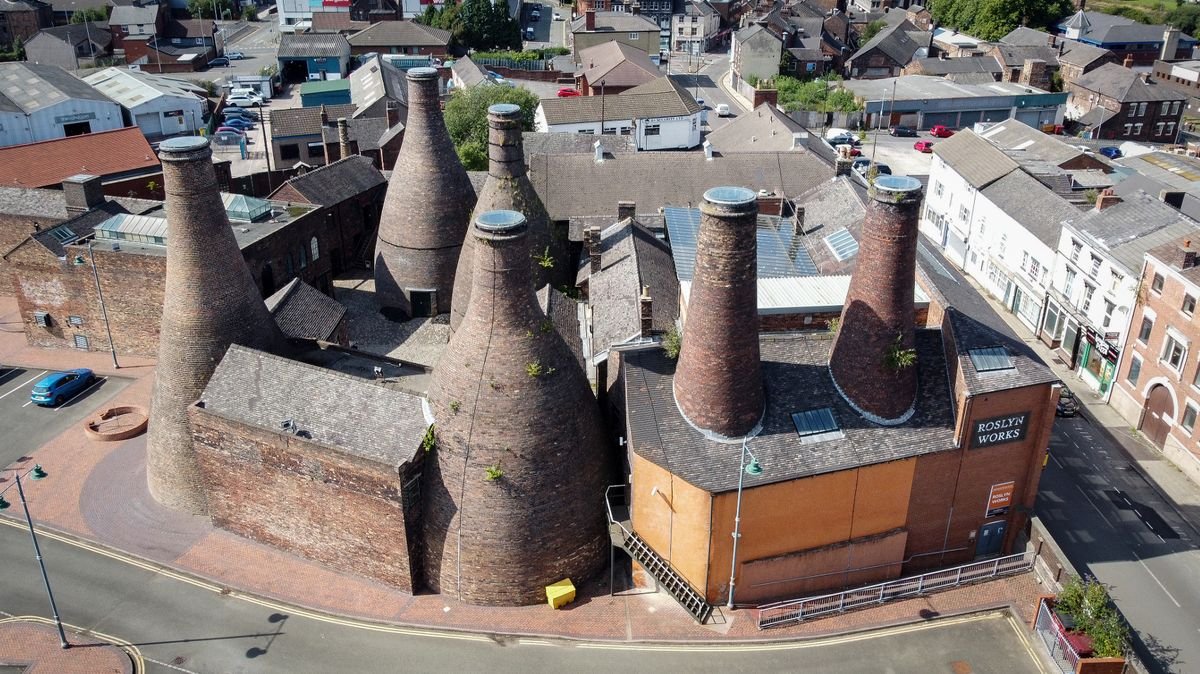

In Stoke-On-Trent last July, I had the opportunity to engage with GMB members employed in the ceramics industry in the UK. Accompanied by the seasoned activist Sharon Yates, we paid a visit to the renowned cup producer, Dunoon, located on the outskirts of Walton.
Sharon, a veteran in the British potteries sector, represents one of the 20,000 individuals contributing to the industry, fondly known to locals as ‘the Pots.’ With a family history deeply rooted in pottery spanning six generations, Sharon embodies the essence of a potter and recognizes the significance of the potteries to the working-class populace in the Midlands and beyond. Working alongside her daughter and granddaughter, Sharon, like many others, strives to support her family and meet financial obligations.
The ceramics sector in Britain plays a pivotal role in the economy, estimated to contribute around £2 billion and sustain 22,000 jobs nationwide. Renowned as a global leader, British ceramic companies and their workforce have set a standard envied by industries worldwide. Stoke-On-Trent, the birthplace of modern industrial ceramics, holds a significant historical connection to the global ceramic landscape.
Despite its esteemed position, the ceramics industry faces challenges in maintaining profitability. Several prominent British companies, including iconic brands like Wedgewood and Denby, have recently announced job cuts, plant closures, or other adverse measures. The primary culprit behind this struggle is the high production costs exacerbated by the UK’s aggressive stance against gas consumption.
This issue appears to be uniquely British, neglecting an industry with immense potential and historical significance that could thrive in the future. The government’s reluctance to make bold decisions threatens the sustainability of an industry crucial for future generations. While past actions have demonstrated the government’s proactive approach in saving jobs in other sectors like steel, the same urgency seems lacking in addressing the concerns of the pottery industry.
The government holds the key to preventing a looming disaster that could have far-reaching consequences for the country. Initiatives like the Industry Supercharger scheme offer solutions to alleviate the burden of escalating energy costs on energy-intensive sectors like ceramics. However, the reluctance of government officials to extend such support to the ceramics industry raises questions about their commitment to preserving crucial sectors.
Failing to act decisively may tarnish the government’s reputation, leaving a legacy of inaction as an industry that sustains thousands of working-class families faces a slow decline. The repercussions of such negligence could lead to increased division, alienation, and economic challenges for the nation in the long run.