

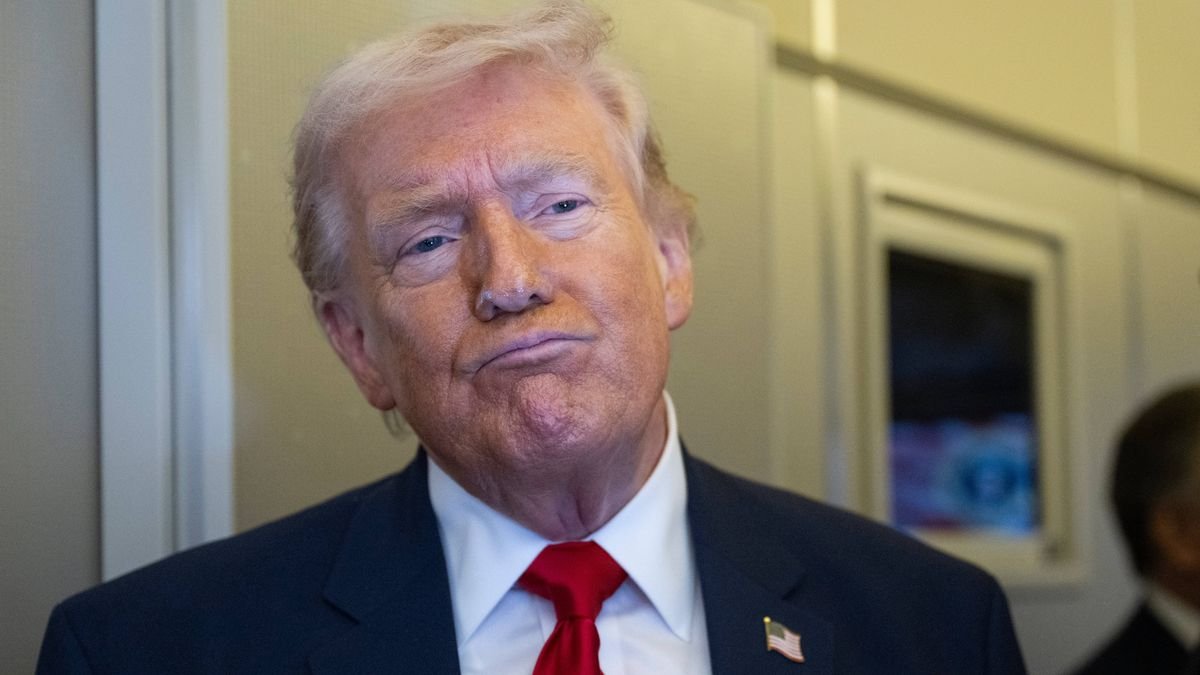

Donald Trump initiated military action against Iran with a sense of overconfidence and misguided beliefs. Still reveling in the recent capture of Venezuelan leader Nicolás Maduro, the US president erroneously believed he had a foolproof method for reshaping global dynamics: launch a decisive strike, overthrow the ruling regime, and claim victory. This simplistic approach, more suited for garnering applause at a political rally, has proven to be dangerously reckless in the context of international security.
The repercussions of Trump’s hubris are now reverberating through the global economy. What unfolded on February 28 was not merely another routine intervention in the Middle East; it escalated into a conflict near the vital Strait of Hormuz, a crucial maritime passageway responsible for approximately one-fifth of the world’s oil transportation.
Previous American leaders had a keen awareness that any disruption in this region could trigger a significant global economic downturn, hence their avoidance of military escalation. However, Trump not only disregarded these cautionary signals but has been criticized as the sole president naive enough to underestimate the far-reaching consequences of his actions.
Today, the aftermath of his decisions is unfolding with Iran retaliating by obstructing shipping routes through the Strait of Hormuz, causing disruptions in tanker traffic and sending shockwaves across energy markets. This retaliation has led to a surge in oil prices, a spike in shipping insurance costs, and a frantic rush by governments worldwide to shield their economies from the mounting crisis endangering international trade.
In essence, while the Trump administration boasts about military victories and destroying Iranian assets, Tehran’s response has been devastating by strategically disrupting the lifeline of global energy supply.
Despite claims of triumph and self-sufficiency, Trump now finds himself in a precarious position, seeking assistance from NATO allies to safeguard tanker convoys passing through the Strait of Hormuz to avert a potential catastrophe.
This abrupt shift in stance highlights the unpredictability of the situation. Only recently, Trump confidently declared victory and downplayed the need for external support, but now he implores other nations, including Britain and France, to partake in securing the Gulf waters, protecting shipping lanes, and possibly risking the lives of their military personnel.
This development raises pertinent questions about the rationale behind involving allied nations in a conflict not of their making. The decision to engage in military actions was unilateral, driven by the impulses and miscalculations of one individual in Washington.
While Trump envisioned swift military dominance and a triumphant narrative, the reality has revealed a geopolitical and economic crisis of his making. The repercussions are now being felt globally, with Trump attempting to pass on the burden to the international community.
In light of these circumstances, the reluctance of allied countries to further embroil themselves in the conflict is understandable. The crisis stemmed from one man’s ego and misjudgment, rather than collective deliberation or consensus.
As Trump grapples with the unintended consequences of his actions, the world watches as the fallout from his decisions unfolds, raising essential questions about the sacrifices demanded and the accountability for a conflict triggered by individual ambition and flawed decision-making.