

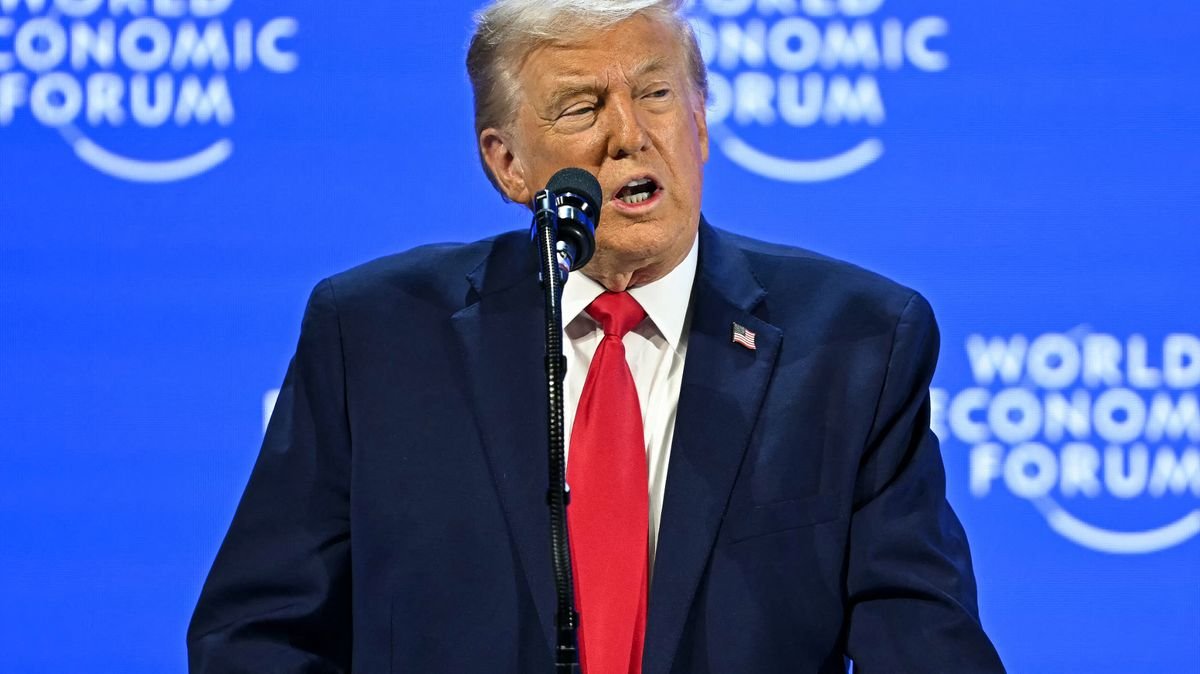

Donald Trump’s appearance at the Davos World Economic Forum was anticipated to be a moment of reassurance for the world. However, it turned into a display of self-importance and geopolitical ignorance, highlighting the concerning nature of his worldview. Addressing global leaders, Trump focused more on catering to his political base and a fictional audience that idolizes him rather than delivering a substantive foreign policy speech.
The actual content of his speech was overshadowed by the negative impact it had. Trump’s performance showcased a confusion between bravado and true leadership, confidence and strategic planning, and inconsistency and strength. Particularly striking was his fixation on Greenland, treating it as a potential acquisition rather than a strategic territory. His approach to Greenland reflects a misguided understanding of international relations, viewing ownership as the ultimate goal.
Greenland holds significant importance due to its strategic location and valuable resources, making it a focal point for global interest. Trump’s inability to differentiate between influence and possession raises concerns about his approach to international affairs. His preference for control over cooperation and partnership undermines the stability of diplomatic relations and global order.
The President’s demeanor at Davos, marked by contradictory statements and unrealistic claims, drew criticism from European leaders and highlighted the erosion of trust in American leadership under his administration. Trump’s handling of the Greenland issue exemplifies a disregard for established norms and a tendency towards coercion rather than collaboration.
While Trump initially appeared adamant about American ownership of Greenland, recent developments indicate a shift in his stance towards negotiations and cooperation. Despite his attempts to portray these changes as victories, the reality suggests a retreat from his earlier aggressive rhetoric.
In contrast to Trump’s disruptive approach, leaders like Mark Carney emphasized the importance of multilateralism and reliable international partnerships. Carney’s assessment of the fractured global order under Trump resonated with many, underscoring the need for a more stable and predictable leadership approach.
The UK’s response to Trump’s Greenland overtures reflects a commitment to upholding international norms and protecting national interests. Rejecting Trump’s demands signifies a stance based on respect for established rules and a reluctance to entertain unilateral whims.
In conclusion, Trump’s behavior at Davos not only failed to impress but also raised concerns about his understanding of international relations and his approach to diplomacy. By prioritizing personal interests over established norms, Trump’s actions risk destabilizing global alliances and undermining the principles that govern international cooperation.