

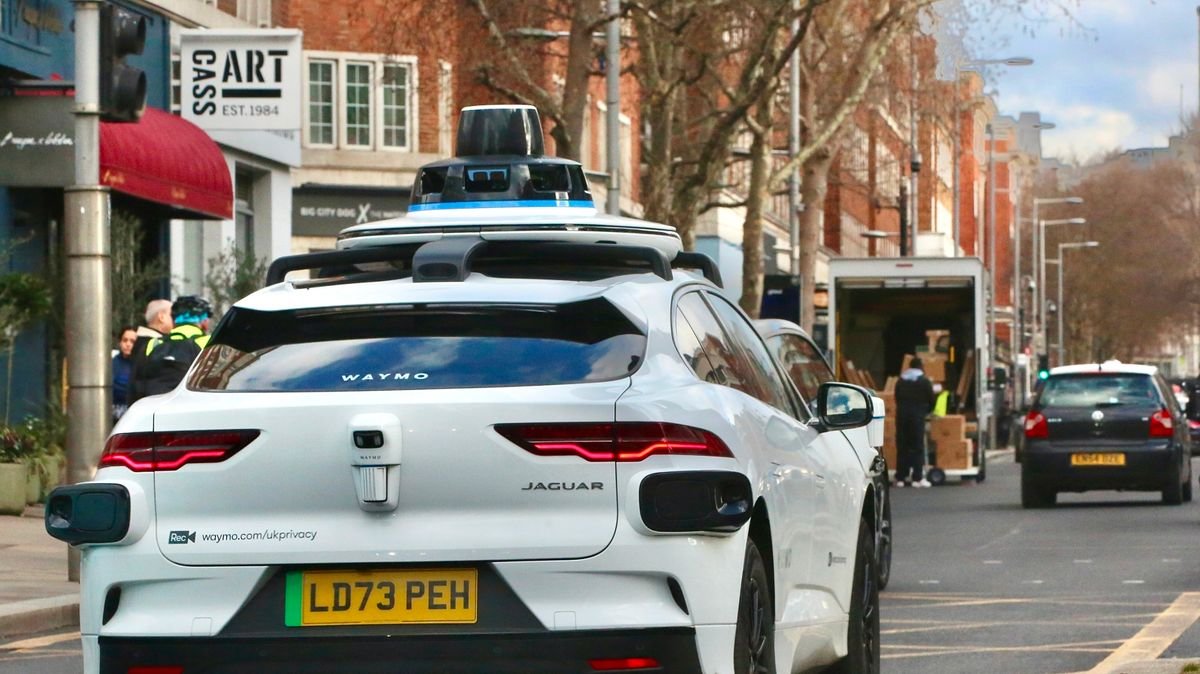

An upcoming deployment of autonomous taxis might hit the streets of the UK starting this fall. Waymo, a US company, has revealed its plans to introduce a fully self-driving taxi service in London by the end of the year. The Mirror was privileged to get an early look at Waymo’s advanced self-driving cabs, known as robotaxis, which are currently undergoing testing in London.
Waymo is awaiting official safety clearance before commencing passenger pickups. The tech company, a subsidiary of Google, asserts that its technology has the potential to significantly reduce traffic accidents, as well as injuries to pedestrians and cyclists.
Despite expected higher fares compared to traditional Uber and black cabs, Waymo believes its service will attract individuals concerned about human drivers, especially during night travels, and those valuing privacy.
Nicole Gavel, Waymo’s senior director and head of business development and strategic partnerships, expressed the company’s ambition to become the most trusted driver globally, emphasizing the enhancement of road safety. Waymo envisions its driverless cabs as offering a “magical experience” to riders.
While the exact size of Waymo’s upcoming London fleet remains undisclosed, the company operates 1,000 vehicles in San Francisco and 700 in Los Angeles. Waymo is open to expanding its self-driving taxi service to other UK cities and towns in the future.
In a parallel move, Uber is also trialing autonomous taxis in London. Waymo is confident that its advanced vehicles are equipped to handle various conditions in the UK, from complex road structures to adverse weather.
The company’s cutting-edge technology continuously monitors its surroundings, claiming the ability to anticipate unexpected events, such as pedestrians emerging from obscured areas. Ben Loewenstein, Waymo’s head of policy and government affairs for the UK and Europe, described the technology as having a superior level of awareness.
Waymo plans to integrate its technology into a fleet of electric Jaguar I-Pace cars. However, some remain skeptical about the transition to autonomous vehicles, raising concerns about societal impacts, including potential job displacement.
In contrast, Tesla’s self-driving software has faced challenges, including involvement in multiple accidents in the US, including a fatal incident.
The initial appearance of Waymo’s London taxis may seem unconventional with noticeable external equipment, but the interior resembles a luxurious car with leather seats. The presence of a touch screen tablet and other innovative features hints at the vehicle’s advanced technology.
For now, human drivers are in control during Waymo’s testing phase. The next phase will involve transitioning to the passenger seat, marking a significant milestone in the development of fully autonomous driving experiences.
The success of Waymo and similar ventures in the UK relies on public acceptance, mirroring the positive reception in American cities. While many may eagerly share their experiences of riding in driverless vehicles, the willingness to pay potentially higher prices remains a key factor yet to be determined.