

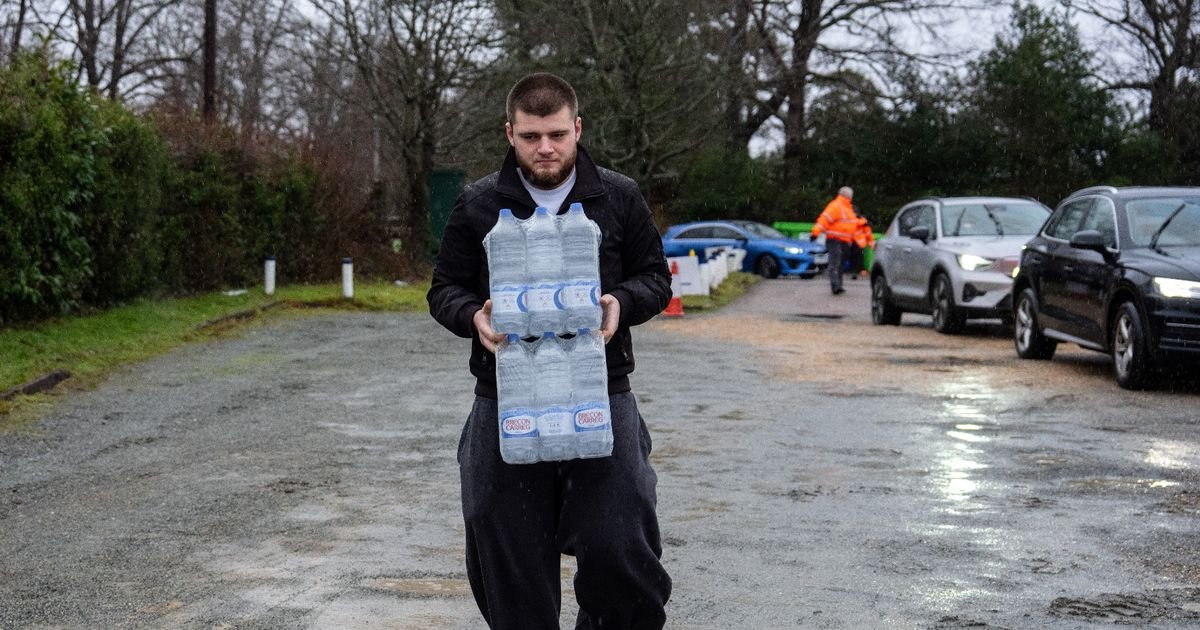

In the recent events at South East Water, the water industry once again showcases a tendency to shift blame elsewhere rather than taking responsibility for its own shortcomings. The industry has been quick to point fingers at external factors such as excessive or insufficient rain, diverting attention from its mismanagement. With a staggering £85 billion drained from the system, investors have been showered with generous dividends while consumers have been left high and dry. Consequently, our rivers and seas have suffered greatly, deteriorating into polluted environments.
The privatization of water under Margaret Thatcher’s government in the late 1980s marked a turning point. While the move initially brought much-needed investments, it soon spiraled into a scheme where opportunistic investors capitalized on the market for personal gain. Water companies shifted their focus from customer satisfaction to profit maximization, transforming into lucrative assets for distant mega-rich stakeholders based worldwide.
Customers find themselves trapped in a system where switching providers is not an option, and pricing is regulated by entities like Ofwat. However, recent actions by Ofwat suggest a shift towards consumer protection. In cases like the impending collapse of debt-ridden Thames Water, taxpayers are ultimately left to rescue failing water firms due to the critical nature of the service.
Critics argue that the solution lies in reverting the industry back to public ownership, akin to the successful nationalization of certain railway sectors by the Labour party. This move aims to eliminate the ongoing exploitation, especially considering that the majority of countries manage their water resources under public ownership.
Meanwhile, executives of water companies continue to rake in substantial salaries, surpassing even the Prime Minister’s earnings, with minimal accountability until crises emerge. For instance, David Hinton of South East Water received significant overtime pay on top of his substantial salary, coinciding with a substantial price hike for customers.
While frontline workers diligently carry out their responsibilities, they often bear the brunt of public dissatisfaction when issues arise, despite being the face of the companies. Labour’s efforts to address long-standing challenges in the water industry signify progress towards a future where clean rivers, safe fishing environments, and reliable water suppliers are not just aspirations but realities for all.