

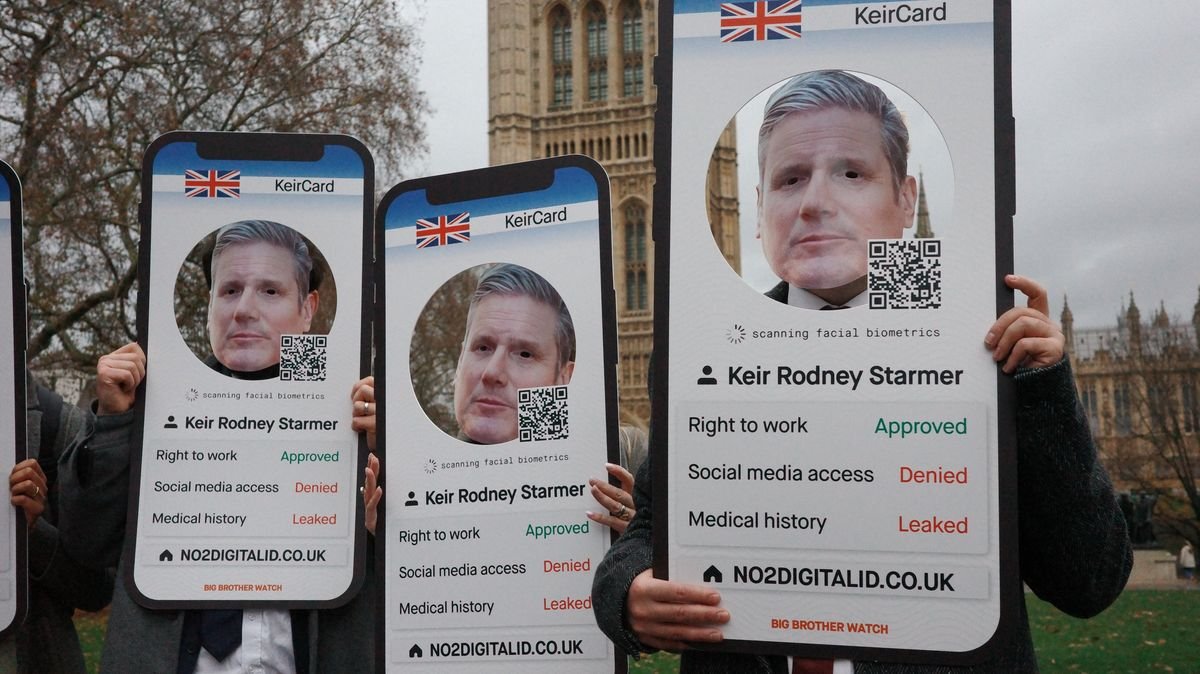

After facing widespread criticism for weeks, the Government has reversed its stance on digital ID, opting for a more lenient approach. Labour minister Heidi Alexander confirmed that digital ID or alternative digital documentation, like a biometric passport chip, will now be accepted for right-to-work checks. Previously, the Government had proposed a mandatory identification card for individuals seeking employment in the UK.
Ms. Alexander emphasized that progress is being made despite the need for time to implement changes. She clarified that mandatory digital right-to-work checks are still on the agenda, with options such as using a government-provided digital ID on a mobile device or verifying through a biometric chip in a passport.
Chancellor Rachel Reeves expressed a relaxed attitude towards the type of digital documentation people can use to prove their right to work following the digital ID policy reversal. She highlighted the flexibility in accepting various forms of digital ID, such as e-visas or e-passports.
Public support for digital ID cards plummeted from 35% to -14% after Labour leader Keir Starmer announced plans to introduce them ahead of the party’s annual conference. Despite the backlash, Starmer remained steadfast in pushing forward with the controversial digital ID initiative, emphasizing its benefits, including simplifying age verification for purchasing alcohol and streamlining administrative processes for students renting university accommodations.
Critics raised concerns over civil liberties, state surveillance, and data privacy regarding the mandatory digital ID policy. In November, MPs were informed that the Government’s handling of digital ID had rendered the policy “irrecoverable.” Silki Carlo, director of Big Brother Watch, criticized the management of the announcement, suggesting it may have long-lasting repercussions.
A consultation on digital ID cards is scheduled to launch soon to gather feedback on the proposed plans. The digital IDs, to be stored on smartphones using GOV.UK’s wallet app, aim to facilitate verification of an individual’s right to reside and work in the UK, enhancing the process for employers and landlords to validate immigration status against a central database.