

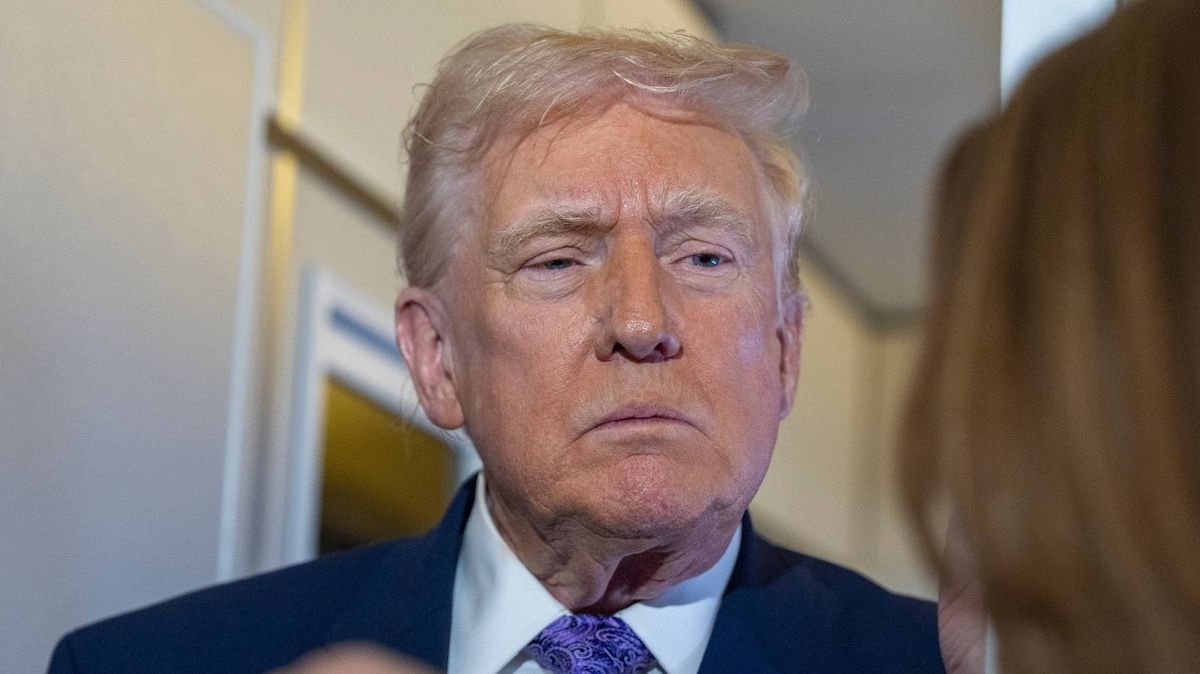

It has been a challenging week for the United Kingdom. The United States, historically a crucial ally to Britain in various aspects such as economics, defense, and culture, has recently seen behavior from its leader that has raised concerns. The actions of the US leader have been perceived as bullying, rude, and a threat to international law, British interests, and the integrity of NATO.
One particular statement made by the US leader has sparked outrage. The assertion that NATO allies like the UK have not been actively engaged on the frontlines is not just an error but an outright insult. This comment disregards the sacrifices made by the 457 British families who lost loved ones in Afghanistan and disrespects the many more individuals who continue to suffer from the physical and mental consequences of war. The attempt at an apology through social media was deemed inadequate by many affected families and observers.
The Prime Minister has rightfully called for a proper apology from the US leader. The essence of NATO’s Article 5, emphasizing collective defense, underscores the significance of solidarity among member nations. The UK, along with other allies like France and Denmark, has demonstrated its commitment to this principle, notably in response to the 9/11 attacks.
Despite the discord with the US leader’s rhetoric, there is solace in the solidarity displayed by the Prime Minister and other allies in standing up against unjust actions and threats. While some advocate for distancing from the US, the Prime Minister’s stance highlights the possibility of confronting disagreements without severing the enduring ties between the two nations.
Moreover, the enduring Special Relationship between the UK and the US transcends individual leadership changes. The recent government initiative to explore the potential restriction of social media for minors, following Australia’s example, reflects ongoing efforts to address social media-related challenges beyond age-specific concerns.
The pervasive issue of foreign disinformation campaigns via social media platforms poses a significant threat to democratic processes. Instances of misinformation propagated by foreign entities aim to destabilize democratic systems, underscoring the need for vigilance, particularly with upcoming elections.
In a different realm, community engagement in political activities can sometimes lead to unexpected heroic acts. A recent incident involving Alistair Harper, a canvasser from Highbury who intervened to aid an elderly lady, exemplifies the unforeseen challenges and commendable actions that can arise during civic engagement.
On a separate note, the government’s initiative to expand breakfast clubs across schools in England signifies a positive step towards addressing child hunger and enhancing educational opportunities for students. This endeavor, expected to benefit families financially, underscores the positive impact of policy interventions in supporting vulnerable populations.
Emily Thornberry, serving as the Chair of the Commons Foreign Affairs Committee, offers insights and perspectives on various national and international issues.