

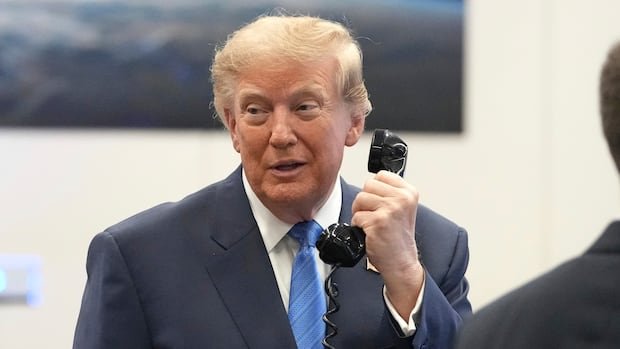

U.S. President Donald Trump announced on Friday a significant agreement with Venezuela that could potentially grant the U.S. access to a considerable amount of Venezuela’s untapped oil reserves at a favorable cost. This deal, described by Trump as the “biggest oil deal in world history,” was reportedly negotiated by U.S. Secretary of State Marco Rubio, U.S. Secretary of War Pete Hegseth, and Venezuela’s interim President Delcy Rodríguez.
According to a statement from Rodríguez’s government, the agreement focuses on the development of 17 fields with an estimated potential of 65 billion barrels. It is anticipated to attract around $100 billion in investment to Venezuela’s oil industry and generate over $209 billion in taxes for Caracas. Rodríguez expressed optimism about the deal, foreseeing a significant positive impact on Venezuela’s economic revitalization.
Under this agreement, the United States will collaborate with an undisclosed private operator in Venezuela to establish a new private company responsible for managing the reserves. As per a U.S. official familiar with the details of the deal, the company will be granted 100-year rights by Rodríguez to develop the oil fields. The U.S. will hold a 55% effective output of the new private company, including ownership stakes and the right to purchase oil at cost, potentially making it the second-largest corporate holder of proven reserves after Saudi Aramco.
This development follows the U.S. military’s operation, authorized by Trump, to apprehend Venezuela’s former president Nicolás Maduro and bring him to the U.S. to face charges related to narcoterrorism and drug trafficking. In light of ongoing tensions in the Middle East, with the U.S.-Iran conflict contributing to high gas prices, Trump is under pressure to address the situation.
Despite the oil deal, experts caution that a significant reduction in gas prices in the U.S. may not be immediate. Restoring and expanding Venezuela’s oil infrastructure is a time-consuming and capital-intensive process that could take years. Encouraging major American oil companies to re-engage in Venezuela may face challenges due to political uncertainties and the country’s deteriorated infrastructure.
In a bid to attract oil companies back to Venezuela, Trump summoned oil executives to the White House shortly after Maduro’s removal. While there was interest among executives, some expressed reservations based on past experiences in the region. Darren Woods, CEO of ExxonMobil, referred to Venezuela as “un-investable” at that time.
Trump has emphasized the stability his administration has brought to Venezuela, asserting that the country’s oil was essentially stolen when former president Hugo Chavez nationalized foreign-owned assets, including those of American oil companies. The agreement is seen as a significant win for both the American and Venezuelan people, with expectations of increased private investment in Venezuela and potential benefits for U.S. gas prices.
The oil procured from the new company is intended for replenishing the U.S. strategic petroleum reserve and military usage. Venezuela boasts one of the largest oil reserves globally, estimated at approximately 303 billion barrels of crude oil. Despite the abundance of resources, the country’s oil production is currently limited to about 1% of the world’s total due to infrastructure challenges.