

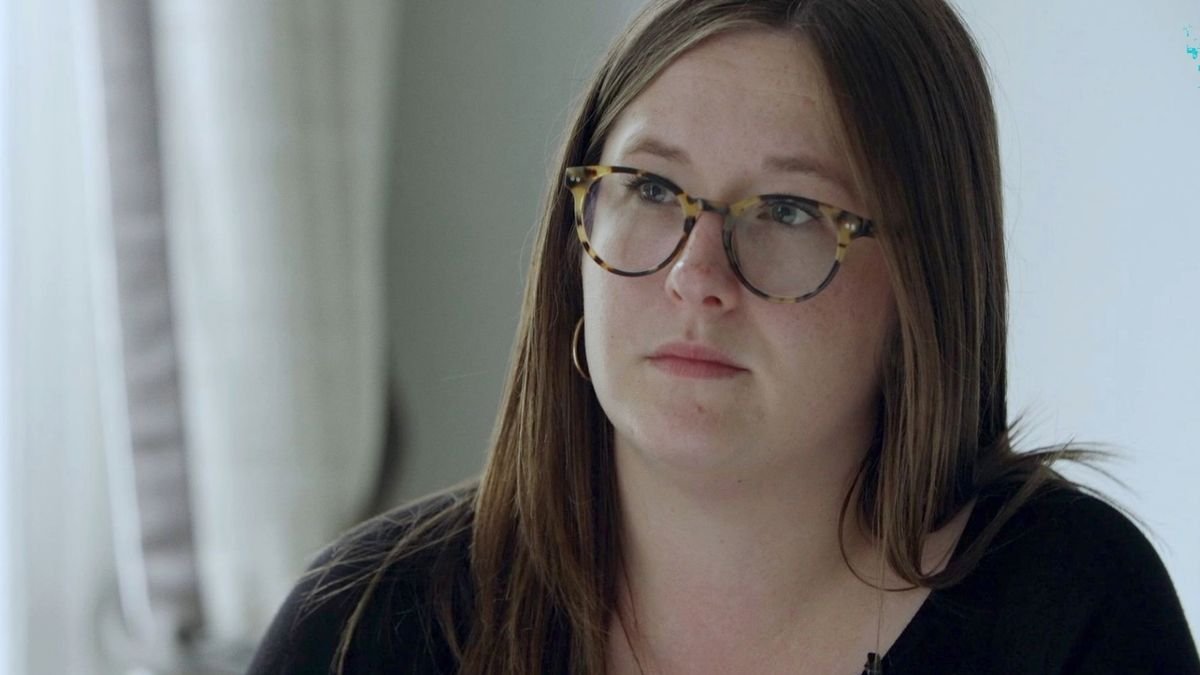

A woman who accused her alleged rapist of evading prosecution by claiming she had a rare sleep disorder has commended the new measures aimed at preventing such occurrences in the future.
Jade Blue McCrossen-Nethercott, who successfully sued the Crown Prosecution Service (CPS), emphasized the importance of survivors having the ability to contest decisions not to pursue prosecutions. Solicitor General Ellie Reeves is set to announce the extension of a program that allows victims of sexual crimes to request a review by a second prosecutor. Reeves highlighted the issue of cases being closed prematurely without reaching court.
In 2020, Jade discovered that her alleged assailant would not face trial due to his defense asserting that she experienced “sexsomia,” a condition where individuals engage in sexual activities while asleep. Subsequently, the CPS apologized for halting the case.
Reflecting on her own ordeal, Jade stressed the significance of providing survivors with the opportunity to challenge decisions early on, citing a case review that concluded her prosecution should have proceeded. She underscored the importance of empowering survivors with the option to challenge decisions, citing positive feedback from the West Midlands region where a similar initiative has been in place since summer.
Siobhan Blake, National CPS Lead for Rape and Serious Sexual Offences, emphasized the distress faced by survivors when justice is not served, underscoring the need for careful and expert decision-making in such cases.
Jade was awarded £35,000 in 2024 following a rare compensation ruling after her 2017 report of the alleged assault was impeded by expert testimony from unfamiliar sleep specialists.
The expansion of the pilot program now enables a different prosecutor to review evidence before reaching a final decision, offering victims a chance to continue legal proceedings.
Reeves reiterated the government’s commitment to combatting violence against women and supporting survivors, emphasizing the need for an improved system that prioritizes victim experiences.
The initiative in the West Midlands has been well-received by survivors, prompting the decision to expand the scheme to other regions. The government’s overarching strategy aims to reduce violence against women and girls while placing survivors at the forefront of justice efforts.