

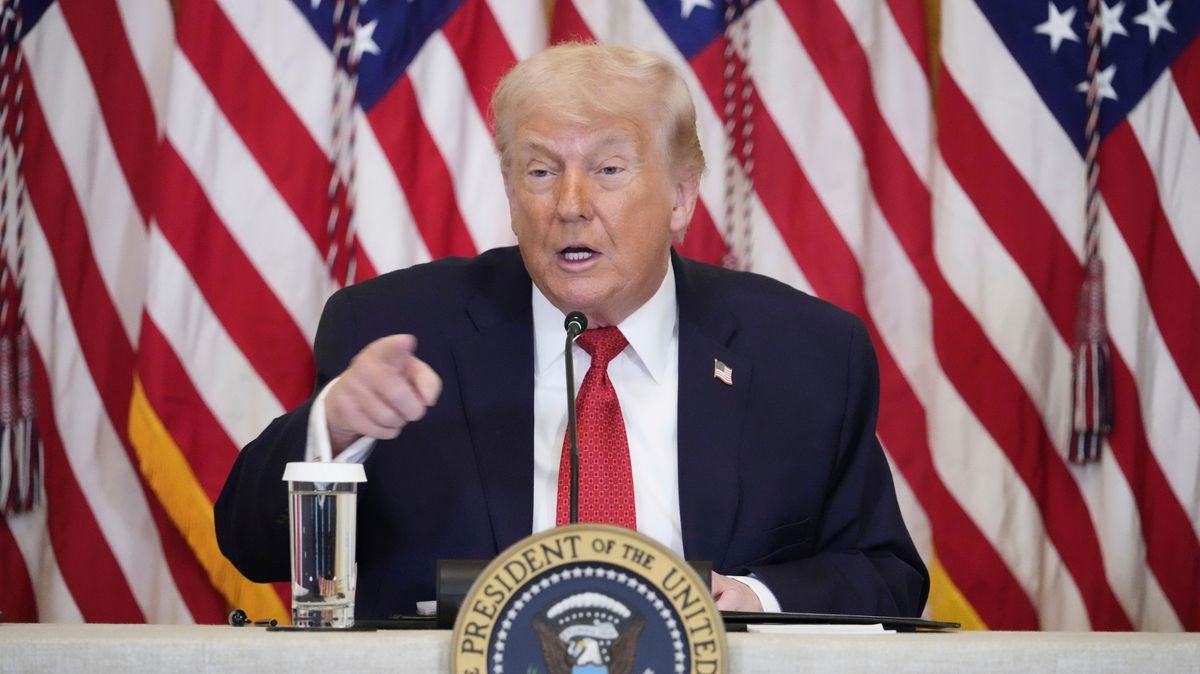

Donald Trump, who is turning 80 this year, holds the record for being the oldest individual to occupy the Oval Office. While he remains active for his age, it is important to consider the succession plan in the event of a president’s death while in office.
In such a scenario, the Vice President assumes power immediately without the need for an election or delay. If President Trump were to pass away, JD Vance would step into the role and complete the remainder of the term. Throughout American history, this transition has occurred eight times, with four instances resulting from the president’s assassination and four from natural causes.
A notable example took place in 1963, when Lyndon Johnson became President following John F. Kennedy’s assassination in Dallas.
In the case of inheriting the presidency mid-term, the two-term limit rule becomes more intricate. If Vance were to take over now and serve less than two years of Trump’s term, he would be eligible to run for president twice independently, potentially extending his time in office to ten years, surpassing the typical two four-year terms restriction.
However, if Vance serves over two years as Vice President, he would only be able to run for election once more, possibly extending his term to a total of six more years with a single election.
Additionally, Vance would need to promptly appoint a new Vice President, subject to confirmation by both houses of Congress. While the Republicans currently hold the majority in both chambers, the upcoming November Midterm elections may change this dynamic, potentially making the confirmation process challenging if Democrats gain control.
The selection of the Vice President is crucial as they would become a significant contender in the subsequent presidential election. If JD Vance chooses a young, popular figure who resonates with the base and upholds the values of the movement, it could establish a succession plan well into the 2030s.
On the other hand, inheriting the presidency means dealing with the aftermath of Trump’s policies, such as trade disputes, legal battles, foreign policy complexities, and an administration centered around one individual’s persona.
While the US constitution outlines the succession process clearly, the effectiveness of the system without Trump’s central influence remains uncertain.