

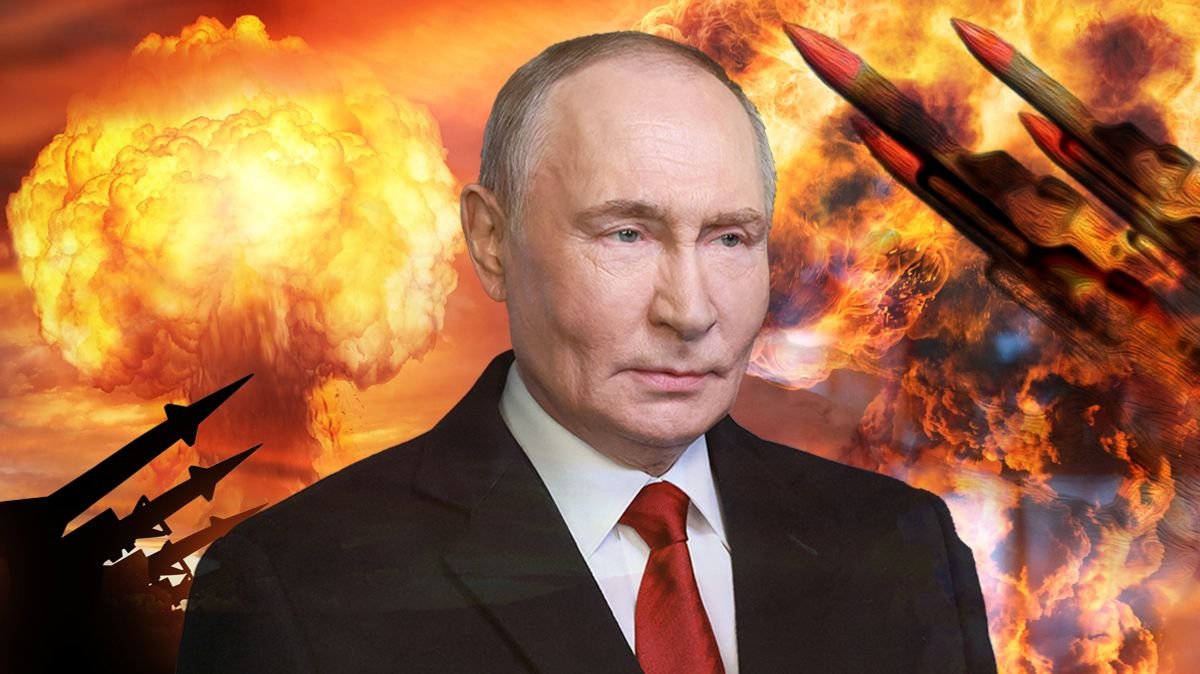

Tensions have escalated between Russia and other global powers recently, raising concerns about the threat from the Kremlin. Russia has now openly threatened to use nuclear weapons against the UK and Europe if they face defeat in Ukraine. Sergey Karaganov, the head of Russia’s Council for Foreign and Defense Policy, stated that Putin would resort to nuclear weapons in such a scenario, potentially leading to catastrophic consequences for Europe.
The heightened tensions were further exacerbated when the Kremlin launched a significant drone and missile attack in Ukraine, including the deployment of a nuclear-capable hypersonic missile named Oreshnik. This attack targeted the city of Lviv, located just 70km from the Polish border, sending a stark message to Western nations. Meanwhile, Prime Minister Keir Starmer signed a landmark agreement to deploy troops to Ukraine in the event of a peace agreement with Russia.
Amid these developments, there have been warnings from key figures, including Putin’s spokesperson Vladimir Solovyov, about potential targets in Europe, and NATO advising British citizens to brace for potential conflict reminiscent of past wars. While Starmer described the situation as the “greatest military threat of a generation,” there is a sense of uncertainty about the implications of a global conflict in modern Britain.
Experts and officials have recommended preparing for potential crises, with some countries like Sweden, Finland, and Norway distributing guides to their citizens on stockpiling essentials in case of a nuclear attack. Professor Anthony Glees has urged the UK government to follow suit and provide clear guidance to the public to enhance preparedness for potential conflicts.
Moreover, the European Union has issued recommendations for all member states to ensure citizens are equipped for self-reliance for up to 72 hours. This includes stockpiling essentials like food, water, and emergency supplies. The EU emphasized the importance of preparedness in the face of evolving and interconnected threats across Europe.
In light of these developments, individuals and communities are advised to take proactive measures to enhance their readiness for potential crises. Doomsday preppers emphasize the importance of building connections within communities, acquiring essential skills like gardening, conflict resolution, and self-sufficiency, and preparing for various scenarios to ensure survival in challenging circumstances.