

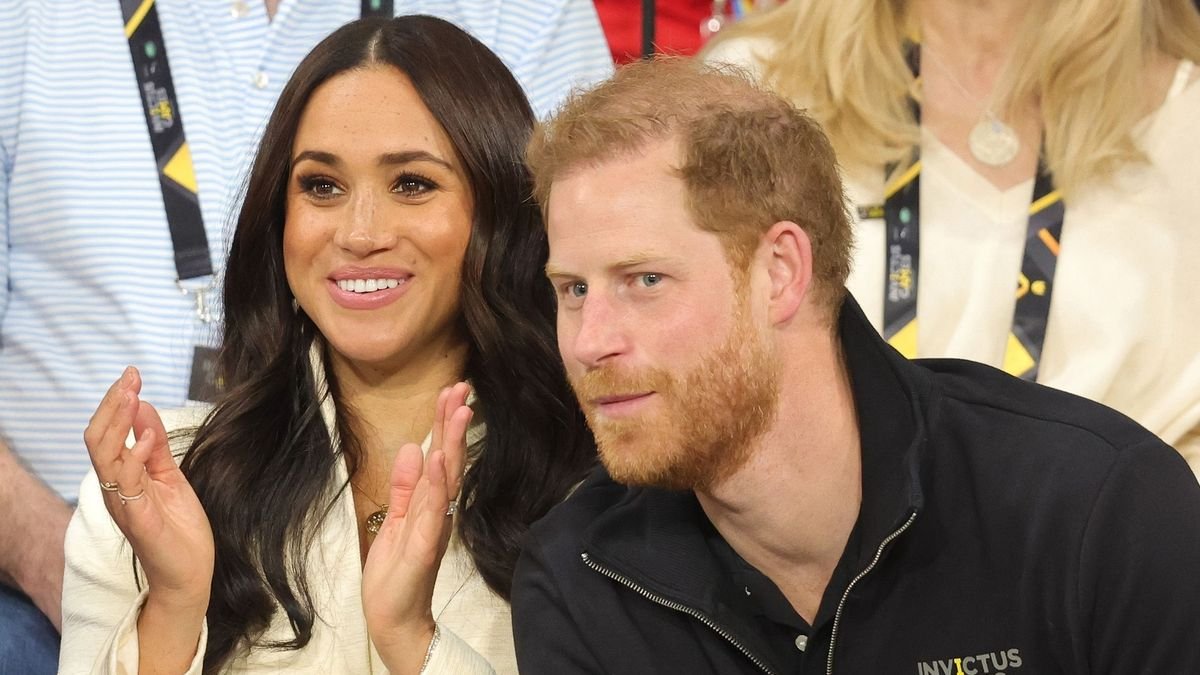

As the Commonwealth Day Service unfolds with full royal attendance, Harry and Meghan are likely feeling a sense of validation. A few years back, their presence at Westminster Abbey drew significant attention, marking one of their final royal engagements amidst apparent tension within the Windsor family.
The decision by the BBC to forgo live coverage of the event in favor of other programming has sparked surprise among royal insiders. This move comes in the backdrop of ongoing controversies, including Andrew Mountbatten Windsor’s association with Jeffrey Epstein, which continues to cast a shadow over the monarchy and its institutions.
While Andrew’s hopes of starting anew in the Middle East have been dampened by regional conflicts and legal troubles, the senior royals, now notably reduced in number, are preparing to lead the Commonwealth Day Service. The monarch and a select few will be in attendance, reflecting a shift towards a more streamlined royal representation.
In the midst of these developments, the treatment of Harry and Meghan by the royal family has come under scrutiny, especially in light of their departure from full-time royal duties. The couple’s efforts to secure their own security following their royal exit, funded through various ventures like deals with Netflix and Penguin Random House, have raised questions about the dynamics within the royal household.
Royal commentator Afua Acheampong-Hagan has criticized the handling of Harry and Meghan’s transition, suggesting that a more flexible approach could have averted the public fallout that ensued. Comparisons between the treatment of the Sussexes and Andrew’s alleged misconduct have fueled debates on royal protocols and expectations.
Despite the challenges and controversies surrounding the royal family, the decision to exclude Harry and Meghan from official royal duties now appears contentious in retrospect. The evolving dynamics within the monarchy, coupled with external pressures, have reshaped the narrative around royal responsibilities and public perceptions of the institution.