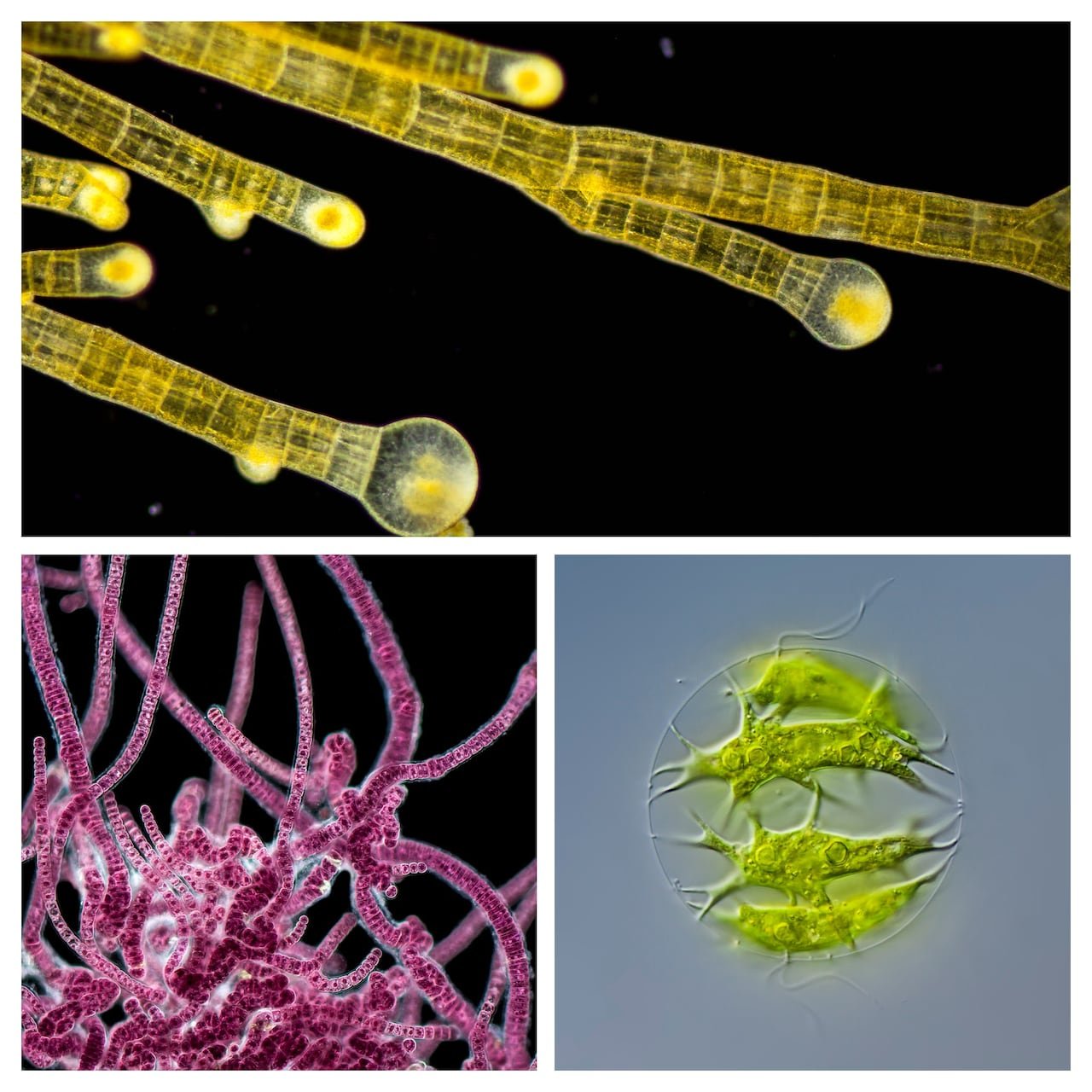

A regenerated forest may appear tall, dense, and verdant. Revived wetlands could be abuzz with insects and alive with birds. However, upon closer inspection, scientists are discovering that some of the tiniest inhabitants, such as specific mosses, lichens, algae, and fungi, are often still absent.
The restoration of habitats like forests and wetlands can aid in preserving declining species of animals and plants and facilitating their population recovery. Nevertheless, recent studies reveal that not all species return at the same pace. Some of the smallest and least conspicuous inhabitants may remain scarce or missing for decades, potentially affecting other species.
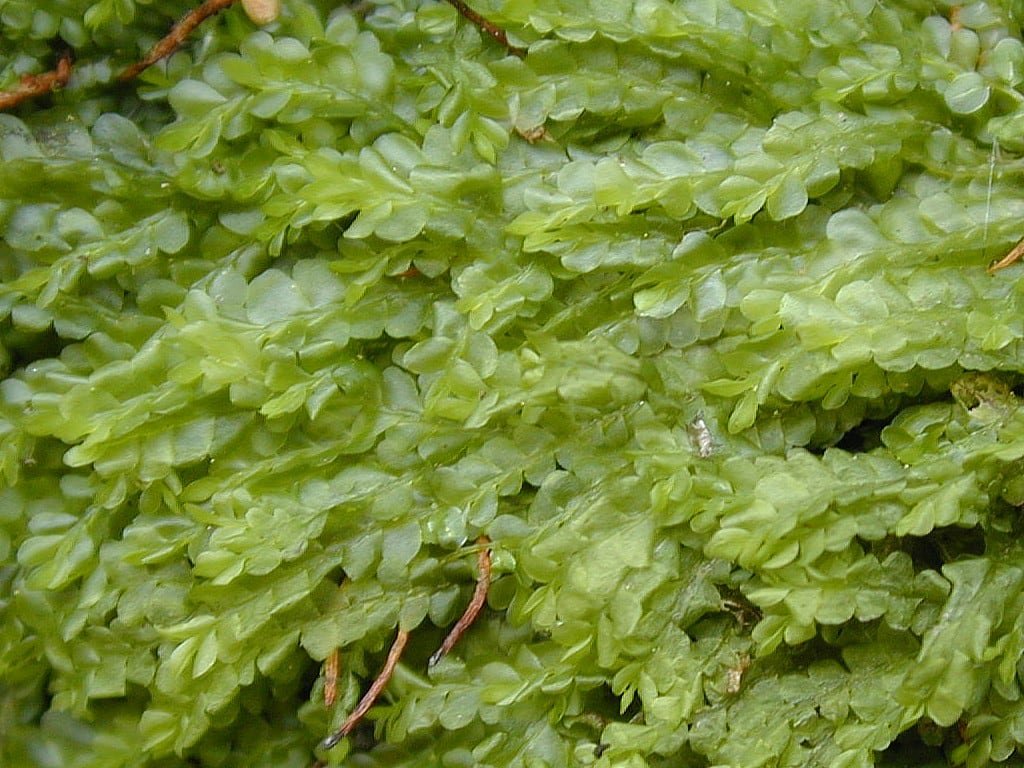
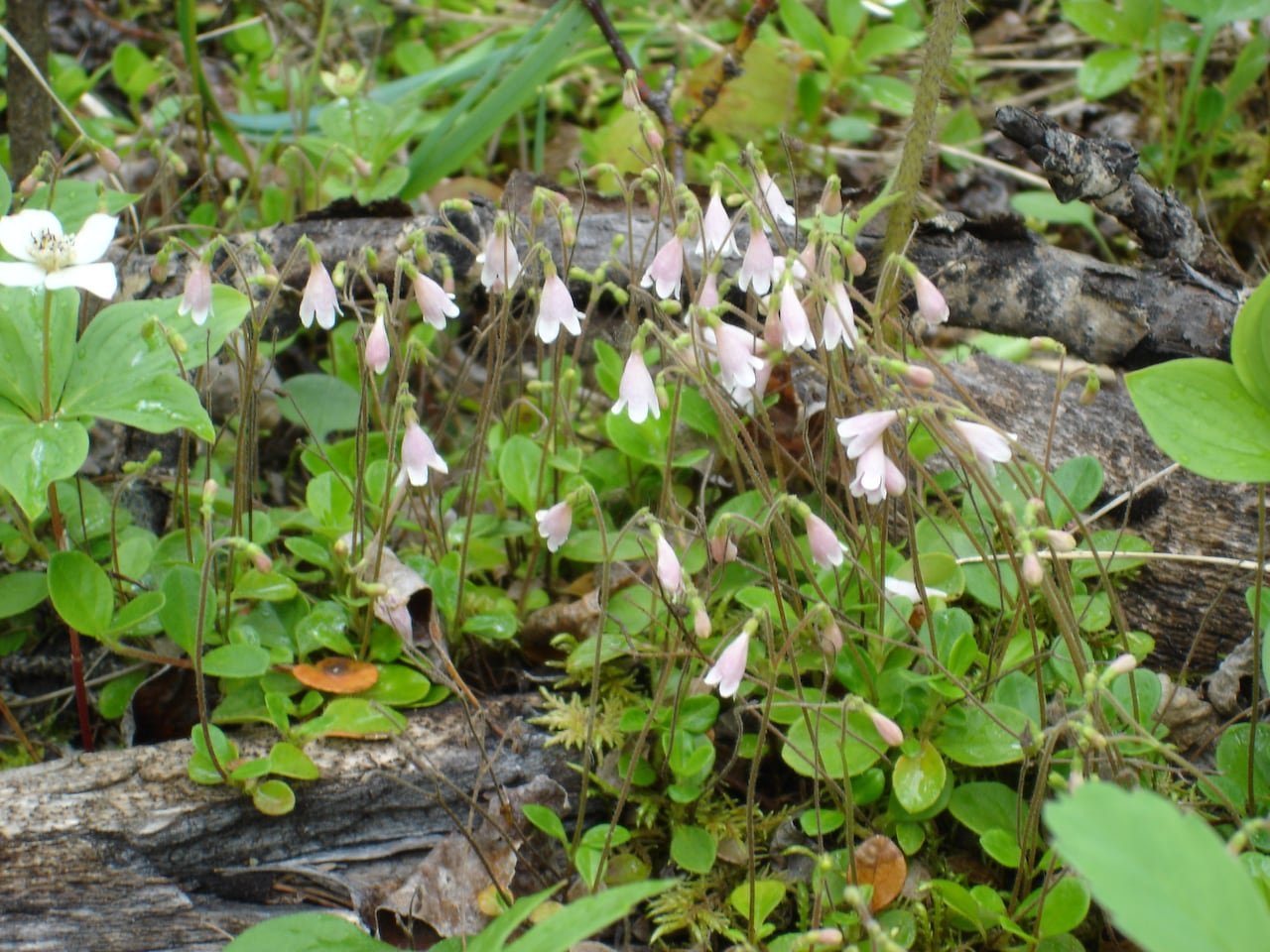
Ellen Macdonald, a botanist at the University of Alberta, has dedicated her research to studying forests — but not primarily the trees. Instead, she focuses on the minute flowers, mosses, liverworts, and lichens that thrive in the shadows of trees, among their roots, or on the textured surfaces of their bark.
“There are significantly more species there than tree species,” Macdonald emphasized.
To the casual observer, Macdonald noted that a regenerated forest several decades post-logging might closely resemble one untouched by human activity, teeming with tall trees, birds, and insects.
However, Macdonald recounted walking through regrown coniferous boreal forests and sensing a subtle dissonance, even if she couldn’t initially pinpoint the issue.
“To truly discern the possible absence, one would need to be gathering data,” she remarked.
Macdonald conducted a comprehensive analysis, merging her own research with global data to investigate the duration for plants and animals to reclaim boreal forests as they regenerate following clearcutting.
The research, recently featured in the journal Nature Sustainability, disclosed that birch and aspen forests and their inhabitants seemed to recover within 25 years, while conifer forests required significantly longer. In conifer forests, understory plants — particularly lichens, mosses, and liverworts — took 85 years or more to reestablish, with some instances where recovery had not been achieved within the century of available data.
‘They may not come back easily’
This trend is not exclusive to boreal forests. Research on wetlands and other restored habitats has also unveiled that while some areas may appear healthy, certain less visible species remain absent.
Years back, German botanist Michael Melkonian discussed with CBC News the investigation into the evolution of plants adapting to terrestrial life. He referenced wetlands near his residence in Jexmühle, southern Germany, once brimming with carnivorous plants, sphagnum mosses, frogs, and dragonflies.
“The bogs seemed visually appealing,” Melkonian reflected in a recent interview. After being drained for activities like logging, they were restored and replanted over several decades, serving as wildlife sanctuaries and carbon sinks to combat climate change.
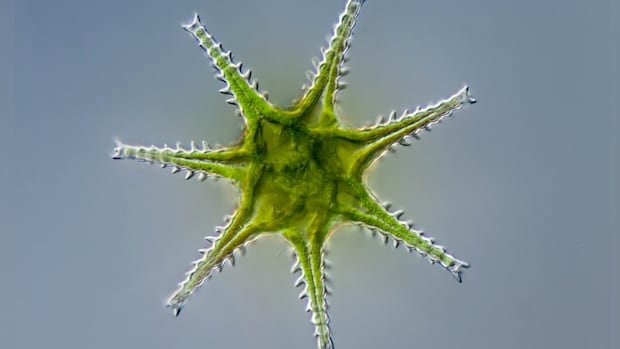
Beneath the water’s surface, Melkonian anticipated encountering a myriad of desmid algae species he studies. However, only a few remained.
“The algae diversity was lacking,” he pointed out.