

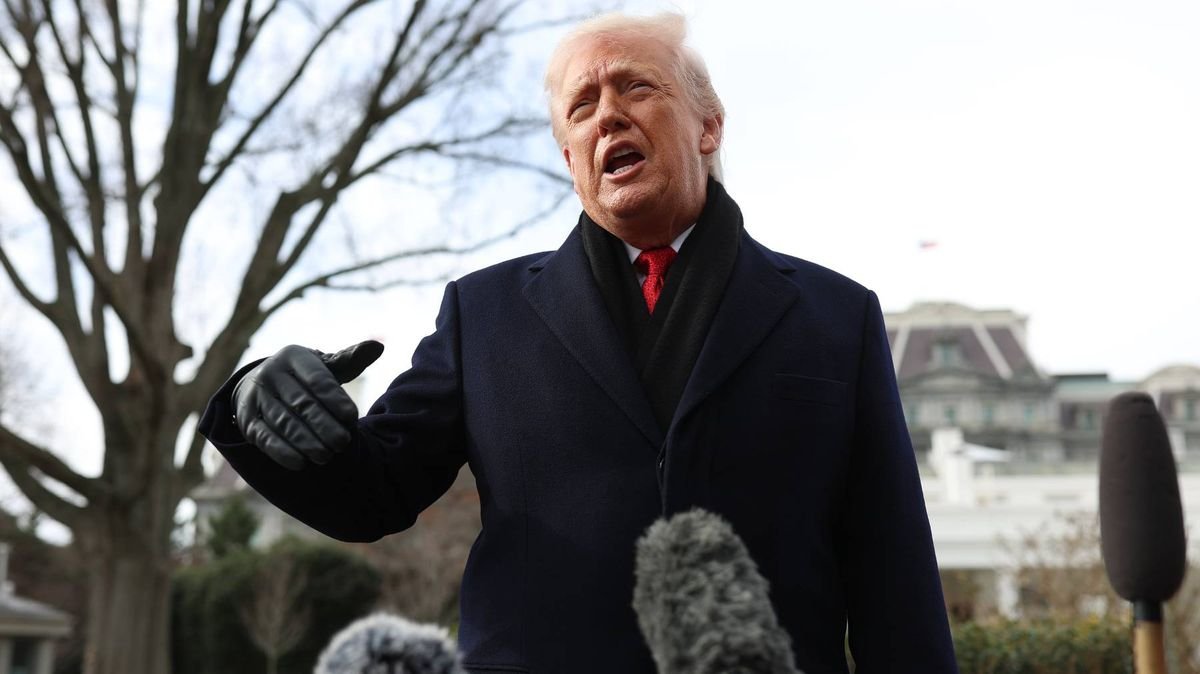

A mental health professional has uncovered the underlying reasons for the seemingly erratic behavior displayed by Donald Trump during his time as president. Recent actions include blaming Norway for not winning the Nobel Peace Prize, managing a military operation to capture Venezuela’s president, and proposing a ban to avoid scheduling conflicts with college football games and the Army-Navy fixture.
According to reports, Trump wrote to Norway’s Prime Minister expressing disappointment at not receiving the Nobel Peace Prize and shifting his focus from peace to what he deems best for the United States. These actions are seen not as isolated incidents but as part of a consistent pattern of behavior, as explained by psychotherapist Marygrace Anderson. She suggests that Trump’s actions can be understood by examining his established leadership style rather than viewing them as sudden deviations.
Anderson points out that Trump’s behaviors are driven by a need for attention, control of the narrative, and a preference for high-intensity rhetoric. These characteristics have been consistent throughout his public life, aimed at energizing supporters and dominating media coverage. The psychotherapist also highlights that in times of pressure, individuals with strong self-concepts tend to reinforce familiar patterns rather than adapting new ones, which aligns with Trump’s behavior.
Notable controversies surrounding Trump include criminal prosecutions and instances like the Capitol riot, as well as his infamous remarks about women. His communication strategy often involves denial, attack, and reversing victim and offender roles, a technique known as DARVO. Despite facing legal challenges, Trump maintains a defiant stance, consistently portraying himself as a victim targeted by political adversaries.
In 2025, amid ongoing legal battles, Trump dismissed the accusations against him as baseless, accusing Joe Biden of targeting him. Anderson suggests that what may seem chaotic behavior externally could internally reflect a coherent self-image of strength and opposition to perceived elites.
Recent revelations about correspondence between Jeffrey Epstein and Ghislaine Maxwell mentioning Trump were met with political controversy. The White House dismissed the release of these messages as a partisan effort to tarnish Trump’s reputation. Anderson emphasizes the importance of understanding these behaviors within a psychological context to foster a more nuanced public discussion based on comprehension and analysis rather than sensational reactions.