

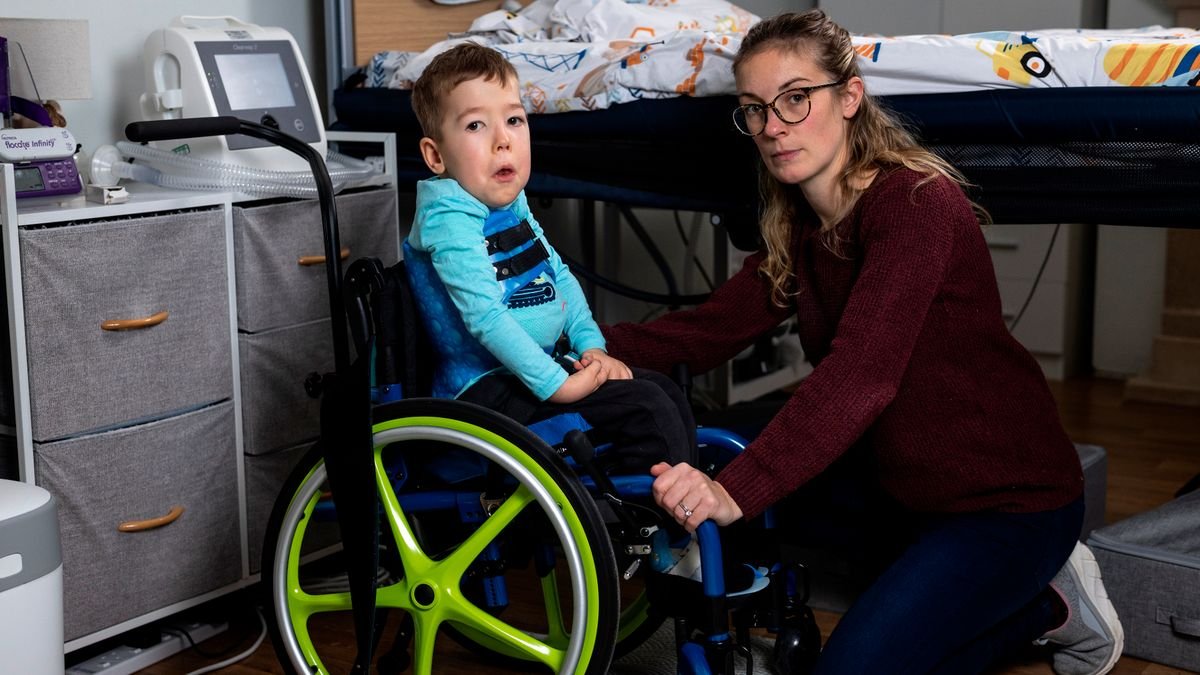

Having a baby can bring about immense stress and anxiety for any parent. However, parents of children with spinal muscular atrophy (SMA) often share similar distressing experiences. Many of them face delayed diagnoses due to shortcomings in the healthcare system, leading to feelings of guilt.
Initially, these parents leave the hospital with seemingly healthy babies, only to notice troubling signs as time goes on. The baby’s movements decrease, breathing becomes more difficult, and feeding challenges arise. Despite raising concerns with healthcare professionals, they are repeatedly reassured that everything is fine, while the baby’s health continues to deteriorate.
In numerous cases, it is the parents who turn to the internet to identify SMA symptoms and self-diagnose their child. Subsequently, doctors and nurses are informed by panicked parents about the condition, leading to confirmatory tests that come too late to prevent irreversible damage.
Upon confirmation of SMA, parents learn that their baby has an inherited genetic defect affecting the SMN1 gene responsible for nerve cell health. Thankfully, there are now three available NHS treatments that can either correct the faulty gene or provide the necessary protein to prevent further muscle degeneration, ultimately saving the child’s life.
Despite the life-saving treatments, parents are burdened with the knowledge that earlier intervention could have led to a more normal life for their child. The lack of timely recognition of SMA symptoms by the healthcare system adds to their distress.
The SMA community is a tight-knit group where parents support each other through challenging times. These children, once treated, can lead fulfilling lives, attending school, making friends, and bringing joy to those around them. Although the future remains uncertain due to the novelty of these treatments, these children represent a generation with a chance to survive beyond childhood.
Efforts are being made to advocate for SMA screening in newborns to prevent future cases of delayed diagnosis and its associated hardships. The resilience and advocacy of SMA parents have been crucial in pushing for improved screening measures and raising awareness about this condition.
Health Secretary Wes Streeting is now urging the UK National Screening Committee to include SMA screening in the routine heel prick test, aligning with practices in other developed countries. This change, when implemented, will be a testament to the relentless efforts of SMA parents to prevent others from facing similar challenges.
In conclusion, the journey of SMA parents sheds light on the need for early detection and intervention to ensure better outcomes for children with this condition. Their advocacy and determination pave the way for improved healthcare practices and a brighter future for affected families.