

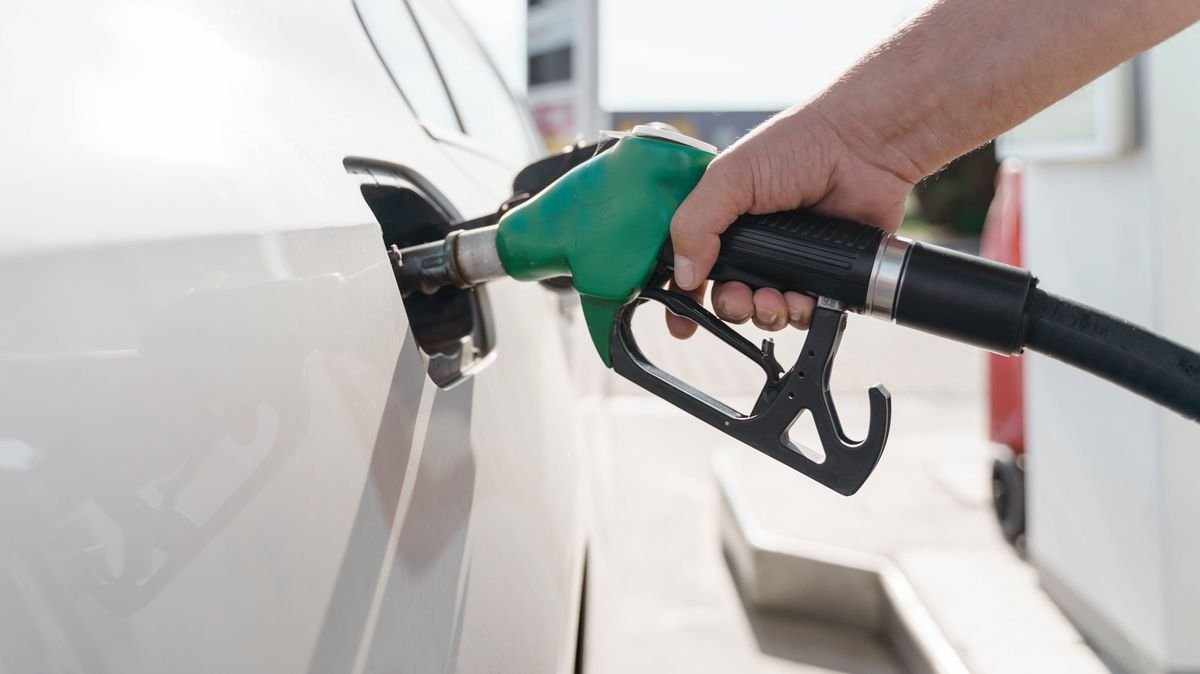

Petroleum and diesel prices surged once more during the recent weekend due to the escalating oil costs. According to the most recent data provided by the RAC, the national average for diesel breached the 150p per liter mark, reaching 150.97p on Sunday from 148.35p per liter on Friday.
Simultaneously, the average price for unleaded fuel continued its upward trend, hitting 137.51p per liter on Sunday. The surge in oil prices resulted in a four-year high, nearing $120 per barrel, driven by the ongoing Middle East conflict. Although reaching $119 per barrel initially, the price later stabilized around $108 per barrel amid concerns over potential shipping disruptions due to reduced supplies from major producers.
Furthermore, wholesale gas prices experienced a similar spike, fueling apprehensions of an impending energy crisis that could lead to increased expenses for households, businesses, and governments. The stock markets in Asia witnessed a decline as the repercussions of the conflict intensified, with attention now shifting towards the upcoming market activities in Europe, particularly London.
Chancellor Rachel Reeves is scheduled to participate in an urgent meeting with G7 finance ministers to address the issue of soaring oil prices. Meanwhile, US President Donald Trump downplayed the price hikes, stating they are a small cost for global peace.
As swap rates, indicative of interbank borrowing interest rates, have been on the rise since the commencement of the Middle East conflict, there is speculation that the Bank of England might maintain its base rate at 3.75% for the remainder of the year. This contrasts with previous expectations of a rate reduction later in the month.
Adam French, the head of consumer finance at Moneyfacts, highlighted the impact of swift changes in swap rates on fixed deals offered by lenders, leading to adjustments in mortgage costs. As a result, various lenders have increased rates, with averages for two-year and five-year fixed rates rising to 4.87% and 4.98%, respectively.
The RAC’s head of policy, Simon Williams, cautioned that diesel prices could surge towards 180p per liter if the Iran conflict persists. Despite the ongoing price hikes, drivers are advised to continue refueling as usual. Williams emphasized the substantial increase in average petrol and diesel prices over the past week, with expectations of further rises in the coming days.
Moreover, the looming threat of inflation due to the Middle East conflict has prompted concerns about economic growth and potential price hikes in the UK. The global financial markets have already experienced significant turbulence, with substantial fluctuations in stock prices and the potential for negative impacts on pension funds.
In response to the crisis, the UK government, along with international partners, is exploring options to mitigate the economic fallout of rising oil prices. The situation remains fluid, with uncertainties surrounding the extent of the conflict’s impact on global markets and economies.