


Approximately 2,000 evacuees from various parts of northwestern Ontario have returned to their homes following a surge in wildfire activity in mid-July. However, as of Friday, around 829 individuals are still displaced, according to officials from Ontario’s Ministry of Emergency Preparedness and Response.
During this summer’s wildfires, over a dozen communities, mainly First Nations settlements, were evacuated in the region, with two communities, Namaygoosisagagun First Nation (also known as Collins First Nation) and Whitewater Lake First Nation, being completely destroyed.
As the wildfire threats have subsided in most areas, Kiashke Zaaging Anishinaabek (Gull Bay First Nation) lifted its state of emergency from mid-July on Wednesday, urging evacuees to return home. Chief Wilfred King of Gull Bay criticized the Ontario government’s decision to revoke wildfire orders around the community, expressing concerns for the safety of their members and infrastructure.
Despite initial reservations about reduced fire risks, Chief King, along with two band councillors, conducted an assessment from a helicopter on Tuesday, observing improved conditions with minimal fire activity. However, King continues to push for a public inquiry into the province’s wildfire response, citing poor communication with First Nation leaders and insufficient emergency preparedness measures.
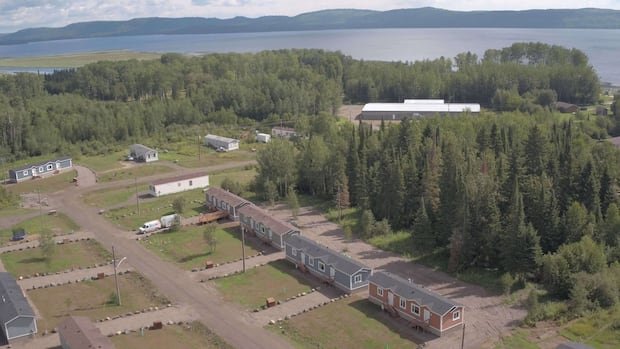
Gull Bay First Nation, an Ojibway community located approximately 215 kilometers north of Thunder Bay with a population of about 370 residents, has restored road access, but sections of Highway 527 between Kopka River and Armstrong, as well as a significant part of Highway 811, remain closed due to nearby wildfires.
Across Ontario, there are close to 140 wildfires, predominantly concentrated in the northwest region. Notable fires near Gull Bay include Thunder Bay 36, Dryden 34, Dryden 35, and Thunder Bay 56, collectively known as the Rinker Lake Complex. Efforts from FireRanger crews, along with support from firefighters from Mexico, Manitoba, Nova Scotia, and Ontario, aim to contain the fires within the Rinker Lake Wildland Fire Complex.
Wildfire risks vary from low to high across the region, with elevated hazards mainly in the Kenora and Dryden fire management sectors. While most evacuees from Gull Bay have safely returned home without injuries or property damage, Chief King emphasizes the importance of staying vigilant as the official wildfire season extends until October 31.
In the event of further evacuations, Gull Bay remains prepared to take action to ensure the safety of its community members.