

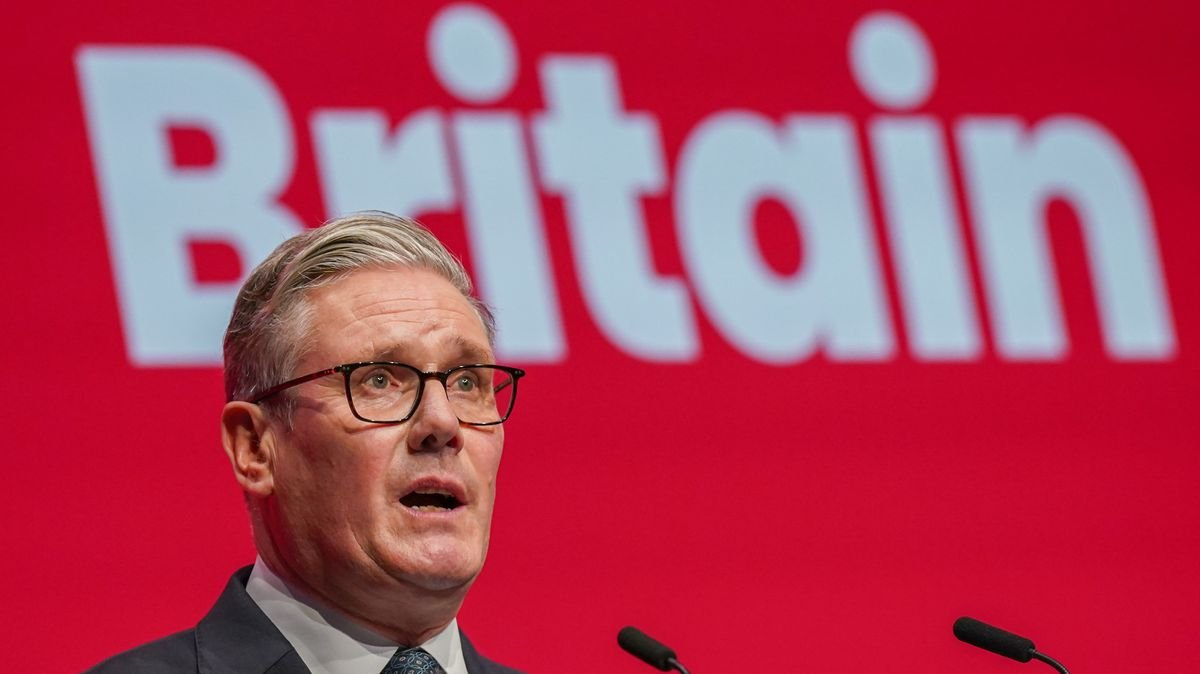

Keir Starmer enjoyed a peaceful Christmas break with his family at the serene Chequers countryside retreat, a well-deserved break following a tumultuous year in office.
As Parliament gears up for its return, the Prime Minister is faced with a multitude of challenges both domestically and internationally. Key issues on the agenda include negotiations for a Ukraine peace agreement, critical May elections, and efforts to address the escalating cost of living crisis.
Speculation abounds among Labour MPs regarding the Prime Minister’s future in Downing Street should the party face significant losses in elections across England, Wales, and Scotland. Looking ahead to 2026, The Mirror delves into the pressing matters in the Prime Minister’s agenda.
Addressing the pressing issue of rising living costs is a top priority for Keir Starmer, who emphasized the importance of easing financial burdens on families. Policy initiatives set to roll out in the Spring will focus on enhancing workers’ rights, including immediate sick pay entitlement, capping prescription fees, and halting rail fare increases for the first time in three decades.
Additionally, Labour is set to continue its drive to implement free school breakfast clubs while closely monitoring inflation levels ahead of Chancellor Rachel Reeves’ Spring Statement on March 3. Economic projections by the Office for Budget Responsibility will provide insights, with tax decisions expected later in the year.
A significant focus for the Prime Minister in the New Year will be tackling NHS waiting lists, a pivotal pledge made during the 2024 General Election campaign. With ongoing concerns about patient care, efforts to improve healthcare services remain a top priority.
The government faces challenges in managing channel crossings, with a notable increase in arrivals compared to previous years. Despite measures to deter crossings and ensure safety, the issue remains a persistent concern.
Looking ahead to the upcoming elections in May across England, Scotland, and Wales, Keir Starmer anticipates a tough political test. With Labour’s popularity waning, the party braces for potentially challenging outcomes in various regions.
The Prime Minister’s leadership may face scrutiny post-elections, as internal party discussions hint at a possible leadership challenge depending on the election results. Amidst political tensions and strategic maneuvering, the future landscape of the government remains uncertain.
Furthermore, diplomatic engagements with China are on the horizon, presenting opportunities for crucial discussions on bilateral relations and economic cooperation. The visit to China signifies the government’s commitment to fostering key international partnerships.
As negotiations continue on a Ukraine peace plan, Keir Starmer’s involvement in shaping a multinational approach highlights the UK’s commitment to global peace efforts. The Prime Minister’s diplomatic engagements with world leaders underscore the importance of international cooperation in resolving conflicts.
The upcoming year will also mark a decade since the Brexit referendum, with Keir Starmer’s emphasis on strengthening ties with the EU while navigating key policy decisions. Discussions on rejoining EU programs and exploring new agreements signal the government’s focus on international collaboration and mobility.
In conclusion, as 2026 unfolds, Keir Starmer faces a complex array of challenges and opportunities both on the domestic and international fronts, shaping the course of his leadership and the government’s agenda.