


A recent study published in The Lancet Oncology has shed light on the significant role infections play in the development of cancer. Contrary to common beliefs focused on factors like sun exposure and smoking, infections were found to be responsible for one in eight cancer cases globally in 2024.
The International Agency for Research on Cancer (IARC), a part of the World Health Organization, conducted the study, identifying various viruses, bacteria, and other microbes as culprits behind an estimated 2.3 million new cancer cases. Among these, the bacterium Helicobacter pylori was linked to the highest number of cases, particularly prevalent in eastern Asia, where it contributed to 760,000 stomach cancer cases.
Human papillomavirus (HPV) was another significant contributor, causing various cancers such as cervical, anal, vulvar, and penile cancers. Hepatitis B and C viruses were associated with a considerable number of liver cancer cases. The study expanded the list of infections linked to cancer, adding 16 more types to the existing connections.
Notable findings included the identification of new cancer-causing agents like HIV and Merkel cell polyomavirus. Epstein-Barr virus (EBV) was linked to nasopharyngeal cancer and Hodgkin’s lymphoma, adding to the burden of infections causing cancer globally.
Researchers emphasized the importance of recognizing the impact of infections on cancer development, especially in regions with limited access to prevention and treatment. In Canada, infections were estimated to account for four percent of cancer cases, leading to over 7,000 new cancer diagnoses annually.
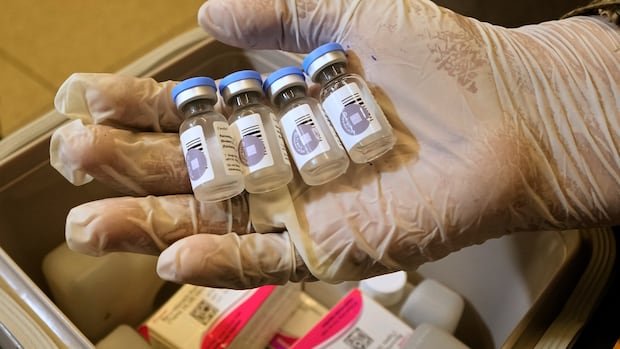
Efforts to combat infections causing cancer include vaccination programs, such as the HPV vaccine, which has shown success in reducing cervical cancer rates. However, challenges remain in achieving high vaccination coverage and timely follow-up care in Canada.
Addressing infections like Helicobacter pylori, which can lead to stomach cancer, remains crucial. Screening programs and early detection methods could potentially save lives, particularly in high-risk groups with a family history of stomach cancers or in certain communities.
The study highlights the need for continued research and public health interventions to mitigate the impact of infections on cancer rates globally.
[Source](https://www.cbc.ca/news/health/cancer-infections-9.7361622)