

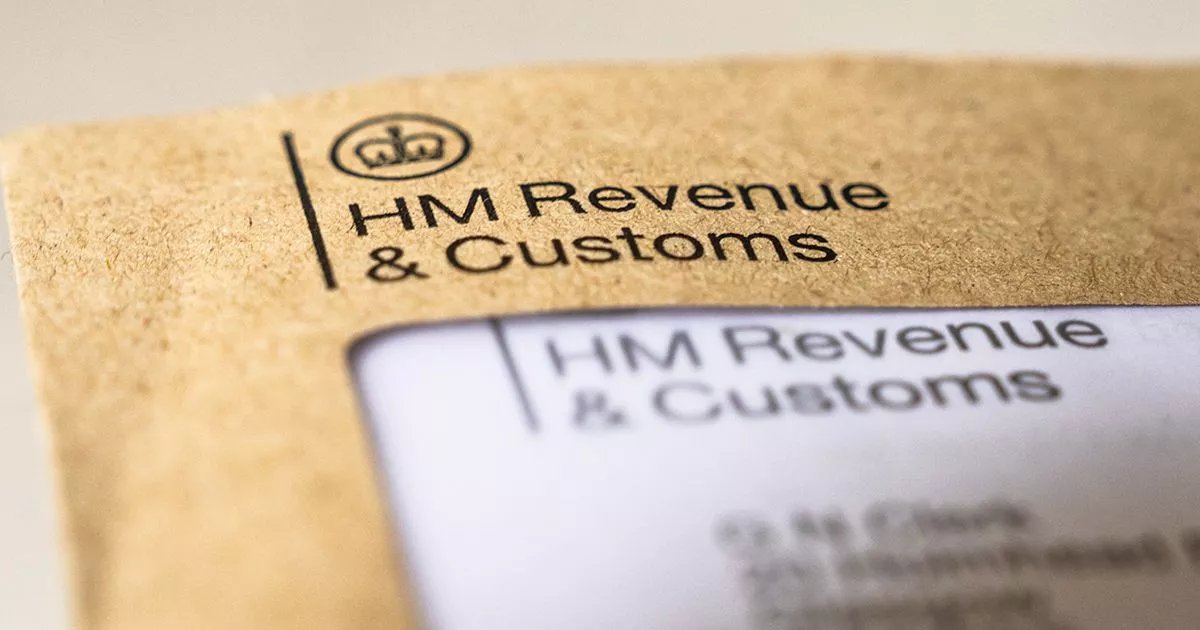

HMRC is set to eliminate paper correspondence for millions of taxpayers starting in April next year. The tax office’s move towards a “digital by default” approach aims to achieve annual savings of £50 million by 2028/29.
Following the recent Budget announcement, HMRC confirmed that the gradual phasing out of paper letters will commence in April 2026. Taxpayers can expect to receive digital correspondence through their HMRC online account or the HMRC app going forward.
For households without internet access or facing challenges with digital services, HMRC will continue to send physical letters. Additionally, individuals will have the option to opt-in for paper communication. Initially, those using the HMRC app, online Personal Tax Account (PTA), or Business Tax Account (BTA) will be impacted.
HMRC will prompt individuals to verify their contact details when the transition begins. Letters from HMRC serve various purposes, such as notifying about tax code changes or self-assessment registration requirements.
In a related development, HMRC has dispatched over 200,000 letters to sole traders and landlords earning over £50,000, informing them of the upcoming obligation to submit quarterly updates using HMRC-approved software if their turnover exceeds £50,000 from self-employment or property income.
While the rollout is scheduled for April 2026, HMRC encourages early preparation for the transition. Taxpayers will need suitable software, with both free and paid options available. The software will provide real-time tax estimates, aiding in cash flow planning and avoiding surprises during tax season.
Craig Ogilvie, the Making Tax Digital director, emphasized the importance of preparing for the upcoming tax changes. He highlighted the benefits of MTD for Income Tax, urging individuals to start familiarizing themselves with the system, as early testers have found it user-friendly.
Please note that Reach and its affiliated entities may collect and use device information through cookies to enhance site experience, analyze usage patterns, and deliver personalized ads. Users can opt out of data sharing by clicking the designated button on the website. By using our services, you agree to our use of cookies as outlined in our Privacy Notice and Terms and Conditions.