

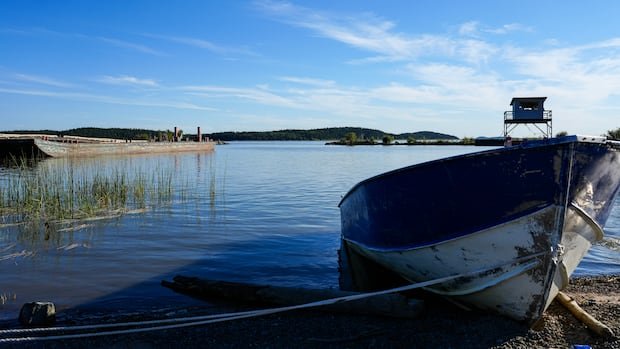

After numerous requests from local residents spanning more than twenty years, a government-funded investigation is set to commence to assess the health effects of oilsands operations on inhabitants of Fort Chipewyan, an Indigenous community in northern Alberta. Community members have long suspected a connection between cancer cases in Fort Chipewyan and industrial activities upstream along the Athabasca River.
Imperial Oil’s Kearl mine, the site of a significant wastewater spill in 2023, is situated approximately 140 kilometers away from Fort Chipewyan. The nearest project is Suncor Energy’s Fort Hills mine, which is over 90 kilometers distant.
The forthcoming study will analyze current and past health data, investigate local disease trends, and monitor both people and the environment. It will also explore how changes in the environment impact the community’s cultural practices and daily lives.
Ruby Ladouceur, president of the Fort Chipewyan Métis Nation, emphasized that the aim is to seek clarity on the situation without assigning blame prematurely. The study, named Project Monument Hill after a local viewpoint overlooking Fort Chipewyan and Lake Athabasca, will be conducted by independent researchers under the oversight of the Métis Nation, the Athabasca Chipewyan First Nation (ACFN), and the Mikisew Cree First Nation (MCFN), with the federal government in an observer role.
The federal government announced the launch of the $12 million, 10-year study in August 2024, with initial funding received in March for the planning and governance phase. Ladouceur highlighted that the study’s approach will integrate both western scientific methodologies and Indigenous traditional knowledge of the land to gain insights into the relationship between environmental conditions, land use practices, and the well-being of the community.
According to a spokesperson from Alberta Primary and Preventative Health Services, Alberta currently does not maintain cancer statistics specific to rural areas like the Regional Municipality of Wood Buffalo (RMWB) and other parts of northern Alberta; instead, it relies on general or regional data to protect privacy and ensure data accuracy.
Dr. John O’Connor, a vocal advocate who has expressed concerns about cancer in Fort Chipewyan since 2006, welcomed the study but voiced apprehension about the lengthy 10-year timeline, citing the pressing need for expedited action due to the significant number of cases he has encountered as a physician.
Earlier investigations focusing on cancer rates in Fort Chipewyan primarily examined medical records and health trends, overlooking individuals who relocated, including those seeking cancer treatments. Notably, a 2009 study by the Alberta Cancer Board revealed that certain cancers in Fort Chipewyan were 30% higher than the provincial average at the time.
Furthermore, research by the University of Manitoba in 2014 detected heavy metals and industrial contaminants in wildlife and plants commonly harvested by Fort Chipewyan residents, with some concentrations posing risks to human health.
A report published in the same year by Dr. James Talbot, then Alberta’s chief medical officer of health, identified elevated instances of bile duct, lung, and cervical cancers in Fort Chipewyan between 1992 and 2011, attributing the numbers to lifestyle factors and limited healthcare resources rather than industrial exposure.
Criticism from Fort Chipewyan leaders followed, asserting that health data reviews were insufficient substitutes for comprehensive, long-term community health studies. The new investigation aims to delve into the impacts of environmental changes on the health of Indigenous populations and their community, shifting the focus from individual lifestyle factors.
Callie Davies-Flett emphasized the scarcity of publicly available data concerning the correlation between cancer rates in Fort Chipewyan and alterations in the environment due to oilsands activities, highlighting the urgent need to address the community’s concerns based on testimonies from elders and community members.