

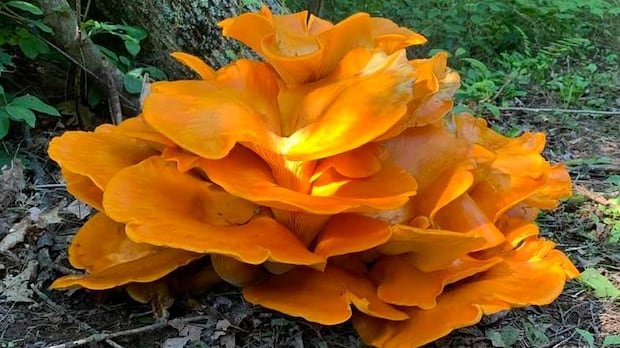

At a United Nations summit focusing on safeguarding global biodiversity, a team of researchers is advocating for the protection of a diverse realm of species often overlooked – fungi.
Fungi on Earth outweigh the world’s animals combined by six times and boast an estimated 5 million species, ranging from edible mushrooms to microscopic organisms that play pivotal roles in ecosystems.
Chilean mycologist Giuliana Furci emphasizes the crucial role of fungi in sustaining life on the planet, underscoring their absence in past conservation efforts focused on plants and animals.
Recognizing this gap, Furci established the Fungi Foundation in 2012, believed to be the first nonprofit organization exclusively dedicated to conserving the world’s fungi. Since then, similar initiatives, including Canada-based Mycosphaera, have emerged, collectively forming the Global Fungal Conservation Network. The coalition recently unveiled the Global Strategy for Fungal Conservation at the COP17 UN biodiversity conference in Yerevan, Armenia.
Despite fungi’s vital ecological significance, they have historically been excluded from environmental policies. Furci stresses the outdated approach of discussing flora and fauna without considering fungi, which were officially recognized as a distinct kingdom in 1969. Understanding the intricate interplay between fungi, plants, and animals is crucial for addressing global challenges like climate change and biodiversity loss.
While efforts are underway to protect rare fungi, challenges persist due to the lack of comprehensive knowledge about these species and the difficulty in quantifying them. Many fungi species remain unidentified, making conservation actions challenging.
Conservationists are advocating for greater recognition of fungi within international agreements, aiming to integrate fungi into biodiversity monitoring, conservation planning, and ecosystem restoration efforts. Furci urges individuals to educate themselves about fungi and acknowledge their significance in everyday life, emphasizing the need for broader public awareness and inclusion of fungi in discussions about biodiversity conservation.