


The UK military has faced significant reductions due to previous governments shifting focus from military spending post the Cold War era. Former NATO chief, Lord George Robertson, has criticized past leadership for their complacency, emphasizing that Iran’s actions serve as a wake-up call for the UK. In a speech in Salisbury, the ex-Labour defense secretary is set to highlight the country’s lack of preparedness and safety despite being under threat.
Despite Lord Robertson’s concerns, the UK military remains a key player in NATO and continues to be a prominent force in Europe. However, its lack of available troops has been exacerbated by 14 years of Conservative-led governance, which saw Army recruitment privatized in 2012. The outsourcing of soldier recruitment to Capita resulted in numerous failures and shortages. Currently, the UK Army comprises around 109,000 troops, including 73,000 regulars and 36,000 reserves.
The Royal Navy has 37,900 personnel, while the RAF has just under 35,000. Men still dominate the military with 120,700 personnel, whereas women account for 16,300. The average age of UK military personnel is now 31, with the total number standing at 173,270, a decrease from 192,000 in 2010. The continuous decline in military strength is attributed to successive governments prioritizing budget cuts since the Crimea war.
Ministry of Defence strategists argue that advancements in technology have diminished the need for large troop numbers, emphasizing the importance of modern warfare techniques. Nevertheless, traditional combat scenarios like trench warfare persist, underscoring the necessity for a well-equipped and sized military force.
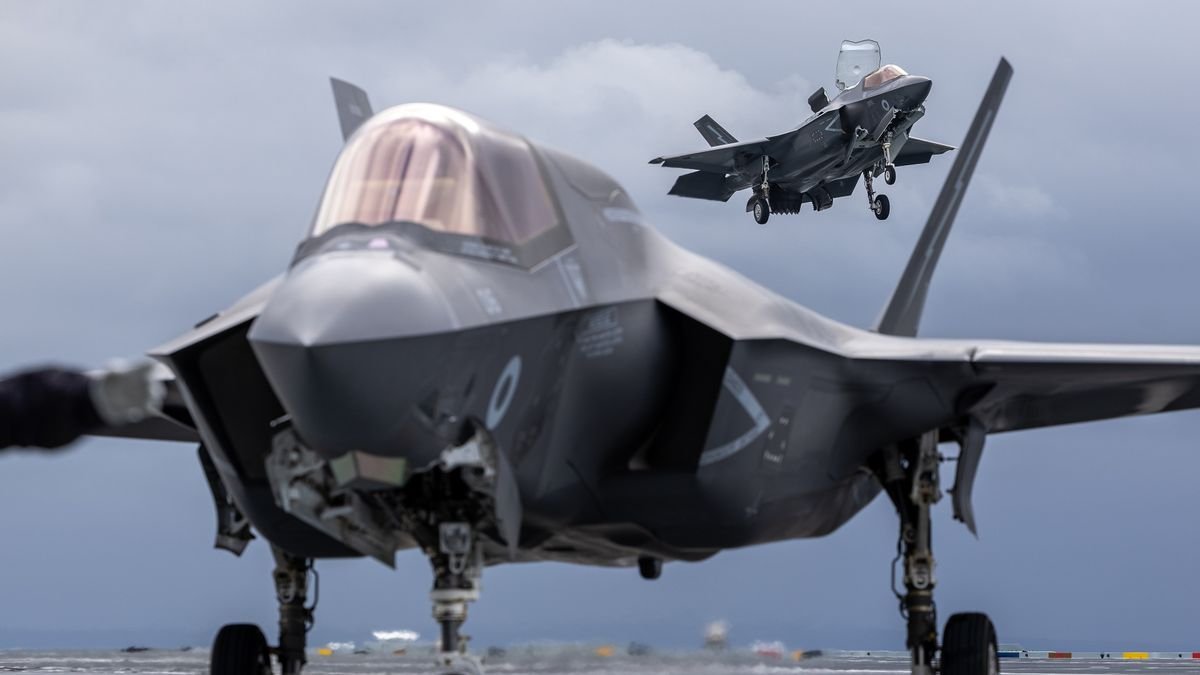
The UK’s flagship, the HMS Prince of Wales, along with the HMS Queen Elizabeth, equipped with F-35B Lightning fighter jets, play a crucial role in extending the UK’s military capabilities. Plans to acquire more F-35Bs are in progress, alongside a fleet of Typhoon Eurofighter jets for air-to-air and air-to-ground operations.
In the event of a conflict with Russia, the UK would likely invoke NATO’s collective defense principle, Article 5, rallying support from other member states. Initial deployment would involve the Army, supported by RAF warplanes and Navy vessels. Training and mobilization efforts would aim to reach over three million troops within four years.
With the specter of conflict looming, the UK government and military are urged to be vigilant and adequately prepared for potential threats in the future.