

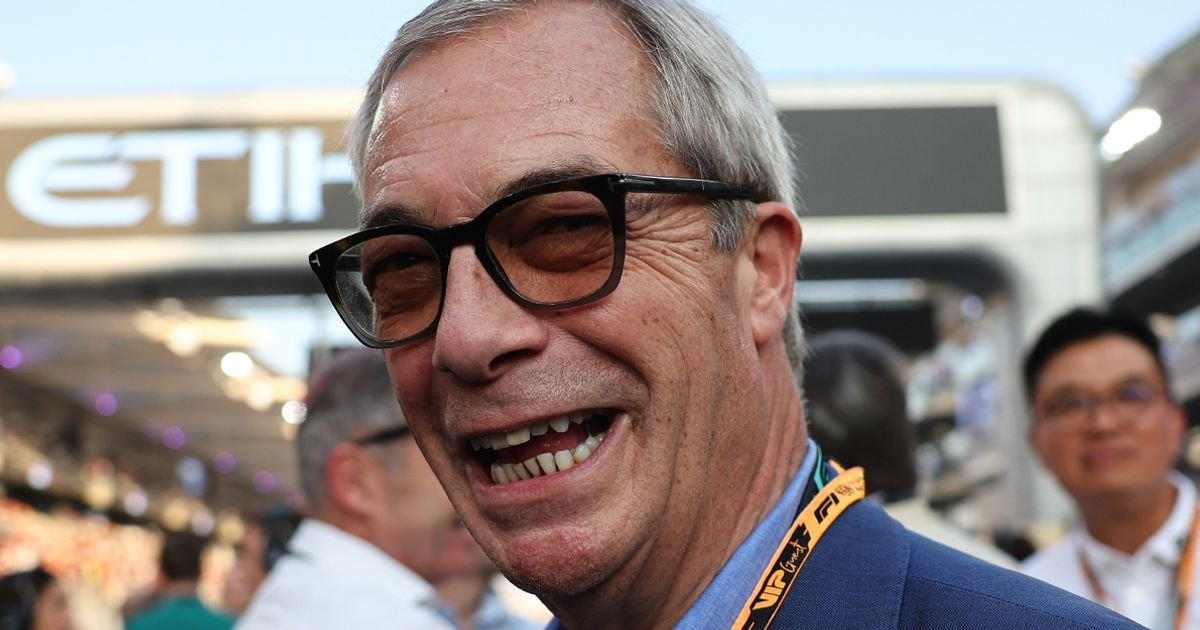

Nigel Farage has received substantial amounts of money and traveled over 50,000 miles worldwide since the recent election, including a luxurious trip to attend the Abu Dhabi Grand Prix. As per records, the Reform UK leader was granted access and accommodations valued at £10,000 by the Abu Dhabi Government for the prestigious F1 event in the UAE. Additionally, he has earned more than £20,000 from speaking engagements in various locations across the US post the July 2024 election.
Criticism has arisen towards Farage, nicknamed “Nine Jobs Nigel,” for his extensive international travels instead of focusing on constituency matters. Concerns were voiced by Ivan Henderson, former MP for Harwich and Clacton, emphasizing the importance of being present in one’s constituency. Labour representatives, including Peter Kotz, have also condemned Farage for prioritizing personal gain over constituent welfare.
Farage’s travel expenses have been scrutinized, showing a significant amount funded by external sources. Notably, his attendance at the Abu Dhabi Grand Prix, where he was hosted by the Abu Dhabi Government, raised ethical concerns regarding foreign influence on UK politics. Despite claims of attending events and meetings, questions persist about the true purpose and beneficiaries of his globetrotting activities.
Farage’s Register of Interests highlights a pattern of extensive travel, with numerous trips funded by donors and entities worldwide. The total mileage covered by Farage exceeds 56,000 miles since his election, indicating a frequent flyer lifestyle. Notably, his engagements include high-profile events and speaking engagements, raising questions about his parliamentary duties versus personal interests.
Critics, including local residents in Clacton, have expressed disappointment in Farage’s limited presence and impact on the community. Concerns over his priorities and commitment to serving constituents have been raised, with doubts cast on his effectiveness as a representative. Farage’s actions, particularly his frequent international travels and lucrative engagements, have sparked debate on accountability and transparency in public office.
In response to the criticisms, a spokesperson for Nigel Farage defended his actions, citing his parliamentary responsibilities and community engagements. Farage’s leadership role in a national political party was emphasized, highlighting his voting record and public engagements. The statement emphasized that voters in Clacton would ultimately judge Farage’s performance at the upcoming general election, dismissing external scrutiny and political motivations.
The ongoing debate surrounding Farage’s activities underscores the intersection of political responsibilities, personal interests, and public perception, raising questions about accountability and representation in modern politics.