

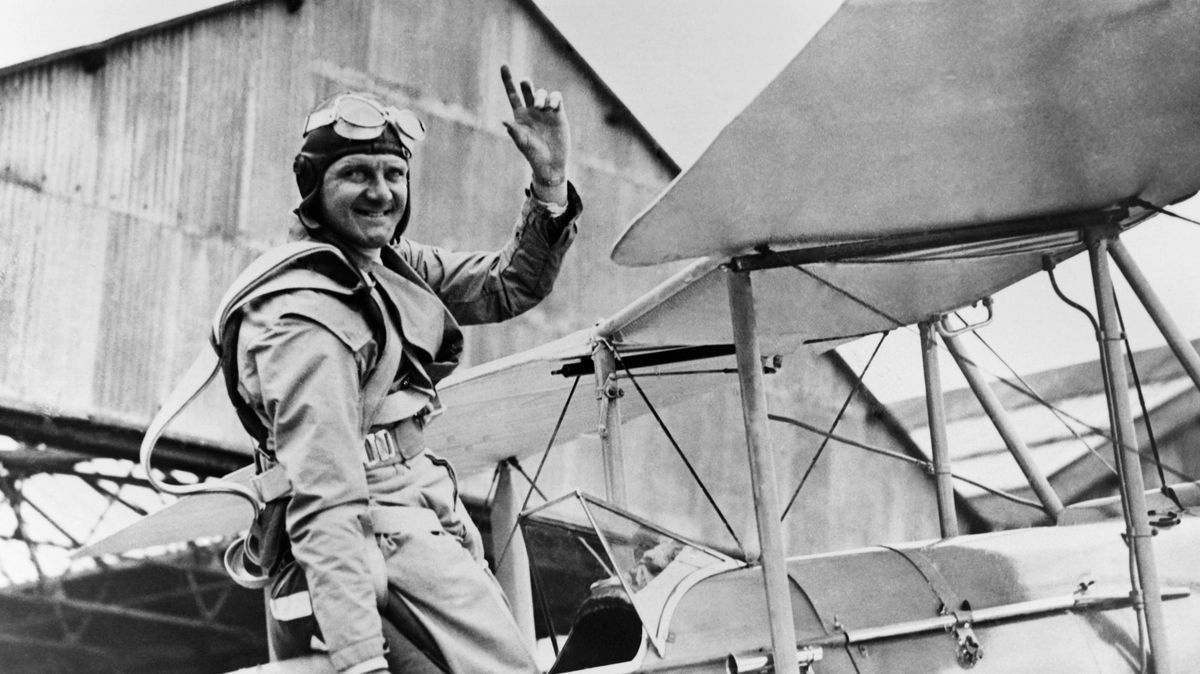

Mount Everest, often portrayed as a must-visit location, stands out as one of the most perilous spots on the planet, with numerous fatalities attributed to the world’s highest peak.
Among these tragic incidents, the story of Maurice Wilson’s demise in 1934 emerges as particularly peculiar and haunting. Wilson, a British Army officer from Bradford with minimal climbing experience, embarked on a solo expedition up the mountain, firmly believing that his faith and fasting regimen would lead him to the summit safely. Unlike recent Everest tragedies involving overcrowding and commercial tours, Wilson’s endeavor predates guided climbs, oxygen queues, and social media exposure.
Wilson’s motivation stemmed from a desire to demonstrate his spiritual beliefs to the world and showcase the potency of faith. Having survived World War I and convinced himself of curing tuberculosis through prayer and fasting, he became fixated on the notion that divine intervention would enable him to succeed where seasoned climbers had faltered.
His plan was audacious and irrational. Wilson intended to fly a small aircraft from Britain to Tibet, crash-land it on the mountain, and then trek the remaining distance to the summit. Despite lacking climbing expertise, Wilson displayed adept piloting skills, as evidenced by his solo flight from Britain to India in 1933, albeit with the subsequent confiscation of the aircraft by local authorities.
Undeterred by setbacks, Wilson managed to retrieve the plane after disguising himself as a Buddhist monk, sold the aircraft, and illegally crossed into Tibet on foot, eventually reaching the base of Mount Everest after his initial aerial approach failed.
In the spring of 1934, Wilson embarked solo on the mountain’s remote northern face. His diary later revealed his profound lack of understanding regarding glaciers, altitude, and ice climbing. Disregarding essential gear, he presumed previous year’s ice steps would still be intact and relied heavily on faith to surmount challenges.
Following multiple unsuccessful attempts, two Sherpas who briefly accompanied him implored him to abandon the climb, a plea he disregarded. On May 29, 1934, Wilson set off solo towards the North Col. His final diary entry on May 31 simply stated, “Off again, gorgeous day.” He never returned alive. A year later, a British expedition led by Eric Shipton discovered Wilson’s body at the foot of the North Col, next to his tent, likely succumbing to exhaustion or starvation. He was laid to rest in a nearby crevasse.
At Reach and across our entities we and our partners use information collected through cookies and other identifiers from your device to improve experience on our site, analyse how it is used and to show personalised advertising. You can opt out of the sale or sharing of your data, at any time clicking the “Do Not Sell or Share my Data” button at the bottom of the webpage. Please note that your preferences are browser specific. Use of our website and any of our services represents your acceptance of the use of cookies and consent to the practices described in our Privacy Notice and <a data-testid="cipa-terms-and-conditions-notice-link" href="https://www.m