

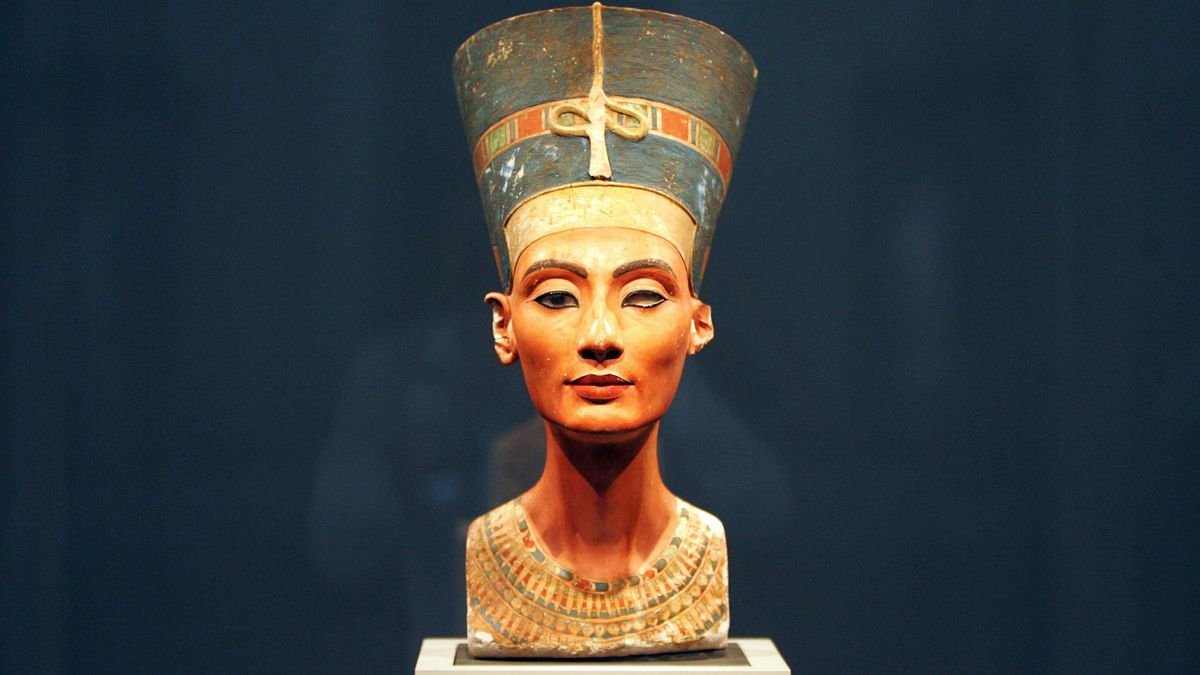

Renowned archaeologist, Dr. Zahi Hawass, recently expressed confidence in his quest to locate the ancient burial site of Egyptian Queen Nefertiti. In a documentary titled ‘The Man with the Hat,’ the Egyptologist and former Minister of Tourism and Antiquities shared his optimism about making this significant discovery before his retirement.
The potential discovery of Nefertiti’s tomb holds the promise of unraveling one of the enduring mysteries of ancient Egypt – whether Nefertiti assumed the role of pharaoh following the death of her husband, Akhenaten, in 1336 BC. Despite depictions of Nefertiti engaging in pharaonic activities, her true status during a period of religious turmoil remains uncertain due to the lack of a confirmed tomb.
Dr. Hawass and his team have been conducting excavations in the eastern Valley of the Kings, near the burial place of Hatshepsut, a prominent female pharaoh from the late 15th century BC. Although definitive evidence is lacking, Hawass strongly believes that Nefertiti’s tomb could be located in this vicinity.
Having spent years working in the area, Dr. Hawass previously uncovered tombs KV 65 and KV 66. He anticipates that the ongoing excavations will aid in mapping the region and potentially pinpointing the location of Nefertiti’s final resting place.
In a recent interview with Live Science, Dr. Hawass mentioned ongoing work in the east valley near Queen Hatshepsut’s tomb, expressing hope that Nefertiti’s tomb might be discovered soon. This pursuit follows previous assertions by Hawass, including a claim in 2022 suggesting he had unearthed Nefertiti’s mummy, though the claim was not substantiated.
Moreover, Dr. Hawass made headlines last year with a significant find in an ancient tomb believed to belong to a previously unknown prince, Userefre. The discovery of a massive pink granite door, symbolic in nature, stands as the largest of its kind in Egypt, underscoring its spiritual significance in facilitating the journey of souls to the afterlife.
Explaining the purpose of such symbolic doors, experts like Dr. Melanie Pitkin from Cambridge University emphasize their role in ancient Egyptian funerary rituals, where family members and priests would offer tributes to sustain the deceased in the afterlife.
Stay updated with Daily Mirror as your ‘Preferred Source’ on Google News for timely access to valued news content.