

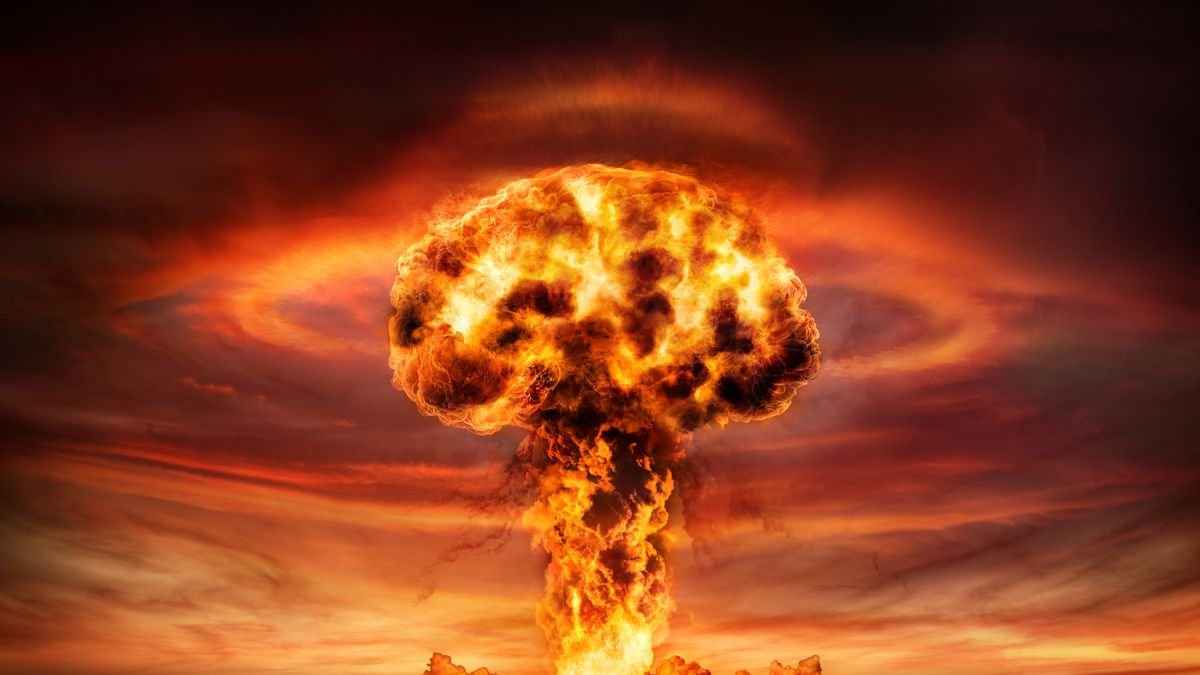

Humanity is on the brink of a global crisis as the symbolic Doomsday Clock has been adjusted to 85 seconds to midnight by the Bulletin of the Atomic Scientists. This marks a four-second shift closer to midnight compared to the previous year, representing the closest proximity ever recorded. The decision to move the clock was influenced by factors such as advancing disruptive technologies, escalating nuclear threats, lack of action on climate change, and the erosion of democracy on a global scale.
The Doomsday Clock serves as a metaphor for the imminent risk of self-destruction that humanity faces. It visually illustrates how close the world is to a catastrophic event, with midnight symbolizing the collapse of civilization as we know it.
According to the 2026 Doomsday Clock statement, major world powers like Russia, China, and the United States have shown increased aggression and nationalism instead of prioritizing global cooperation. This shift has accelerated a competitive environment that undermines international collaboration crucial for averting nuclear conflicts, addressing climate change, managing biotechnology risks, and mitigating other potential apocalyptic threats.
The current adjustment of the clock is notably influenced by the upcoming expiration of the New START nuclear arms control treaty between the US and Russia in February. Experts emphasize the need for urgent actions to reverse this trend and prevent catastrophic outcomes.
While the situation appears dire, Daniel Holz, the chair of the Science and Security Board of the Bulletin of the Atomic Scientists, remains optimistic, suggesting that concerted efforts can reverse the clock. The call to action urges individuals to hold leaders accountable and take proactive measures to combat the climate crisis.
Amidst growing concerns, experts like Alexandra Bell, the President and CEO of the Bulletin, and nuclear policy specialist Jon Wolfsthal highlight the critical importance of preventing a nuclear arms race and maintaining global stability to avert potential disasters.
The Bulletin of the Atomic Scientists, a nonprofit organization founded in 1945 by notable figures including Albert Einstein and J. Robert Oppenheimer, holds the responsibility of managing the Doomsday Clock, with its time adjustment being an annual event in January.
The announcement of the Doomsday Clock’s proximity to midnight is a significant event that garners global attention, emphasizing the urgency for collective action to address the mounting risks facing humanity.