

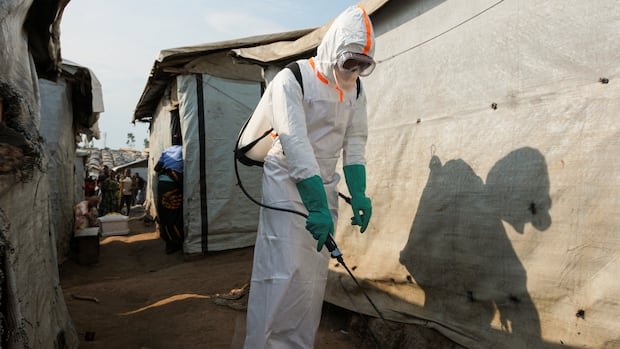

The Ebola crisis in the Democratic Republic of Congo has evolved into the deadliest outbreak in the nation’s history this week, with a surge in confirmed cases prompting global concern. The country’s public health ministry reported a total of 2,378 deaths as of Aug. 16, marking the second-largest Ebola outbreak on record and an unprecedented acceleration in its spread, according to Tedros Adhanom Ghebreyesus, the Director-General of the World Health Organization (WHO).
Ebola, a severe disease associated with orthoebolaviruses, including strains like Zaire, Sudan, Taï Forest, and Bundibugyo, has been identified in the current outbreak, which is the 17th recorded in the D.R.C. Humans can contract the virus through close contact with infected animals or individuals, leading to transmission through bodily fluids or contaminated objects.
The outbreak, officially declared in May, primarily affects the eastern D.R.C. near the borders with South Sudan and Uganda. The first suspected case was reported in a health worker who later died in Bunia, Ituri province. The rapid spread of Ebola in this outbreak surpasses previous incidents, with over 5,000 cases reported by Aug. 16, mainly concentrated in Ituri province with a high case fatality rate of 47.4%.
Challenges in response efforts include the absence of a specific vaccine for the Bundibugyo strain, ongoing armed conflicts, internal displacement, and limited resources. Public distrust and fear also hinder medical interventions, with residents avoiding treatment due to apprehension. To contain the outbreak, enhanced testing, contact tracing, safe burial practices, and deploying more healthcare workers are crucial, emphasized by experts and health officials. Increased financial support and international collaboration are deemed essential to combat the escalating crisis effectively.