

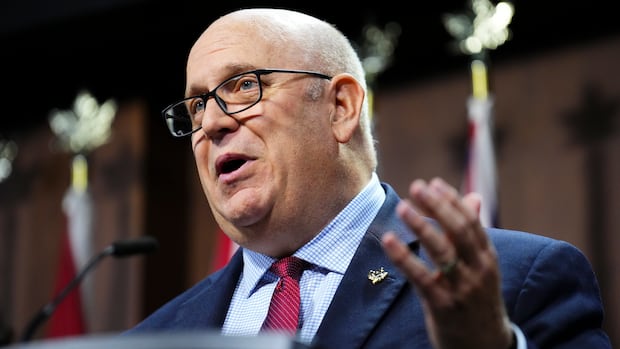

This week in Ottawa, Conservative MP Dean Allison conducted independent hearings focused on injuries related to COVID-19 vaccines over a span of four days.
According to a news release, the Allison Inquiry heard from 50 witnesses selected from a pool of over 1,400 applicants. The majority were Canadians who traveled to Parliament Hill from various parts of the country to recount their personal experiences of injury.
The inquiry’s guidelines aimed to listen to Canadians without “making findings of fact or reaching conclusions.”
Health Canada did not participate in the inquiry, which was not endorsed by the federal government.
Allison, who serves as the MP for Niagara West in the House of Commons, stated that the inquiry “was meant to initiate a discussion that should have started years ago.”
“Regardless of individual opinions on [COVID-19], vaccines, or public policy, compassion should never be a subject of controversy,” Allison remarked on Friday as the inquiry concluded.
During the four days, the inquiry heard from various witnesses, including Drue Taylor, a 36-year-old massage therapist who joined virtually from Alberta, citing concerns over the physical toll of traveling to Ottawa.
“Since my injury, I haven’t been able to fly or travel at all,” Taylor shared with the inquiry. “Any disruption to my routine could certainly trigger a severe flare-up, confining me to bed for weeks or even months.”
‘Extremely frustrating’
Taylor explained that she developed postural orthostatic tachycardia syndrome (POTS), a chronic nervous system disorder characterized by symptoms like rapid heartbeat, dizziness, fatigue, and nausea upon standing.
After a year and a half of negotiations with the government, Taylor reported receiving an initial compensation of $45,000 from the Vaccine Injury Support Program (VISP). She described her experience with the program as “extremely frustrating,” noting that she has been in the appeals process for several years.
As per Health Canada, VISP processed 3,557 claims and disbursed over $21 million to claimants between June 2021 and November 2025. Out of the 1,433 claims evaluated by the Medical Review Board, 252 were approved.
To qualify for the program, individuals must have sustained “serious or permanent injury” as a result of receiving a vaccine authorized by Health Canada.
Following criticisms regarding its management, the federal government assumed control of the program in 2026. Initially, the government had hired a third-party administrator, Oxaro, to oversee the program, which has since been transitioned to the current Vaccine Impact Assistance Program (VIAP).
“The compensation was meant to replace my income,” Taylor stated. “The initial payout wouldn’t have even covered my earnings for that year as a self-employed massage therapist.”
While the majority of witnesses were Canadians sharing their personal experiences of injury, the inquiry also featured others, including U.S. Senator Ron Johnson.
Johnson devoted much of his testimony time on Tuesday to criticize Dr. Anthony Fauci, who directed the U.S. response to the COVID-19 pandemic. Johnson is part of a U.S. Senate committee that voted to hold Fauci in contempt and to imply that the COVID-19 virus was artificially created.
The origins of COVID-19 remain a topic of ongoing discussion within the scientific community.
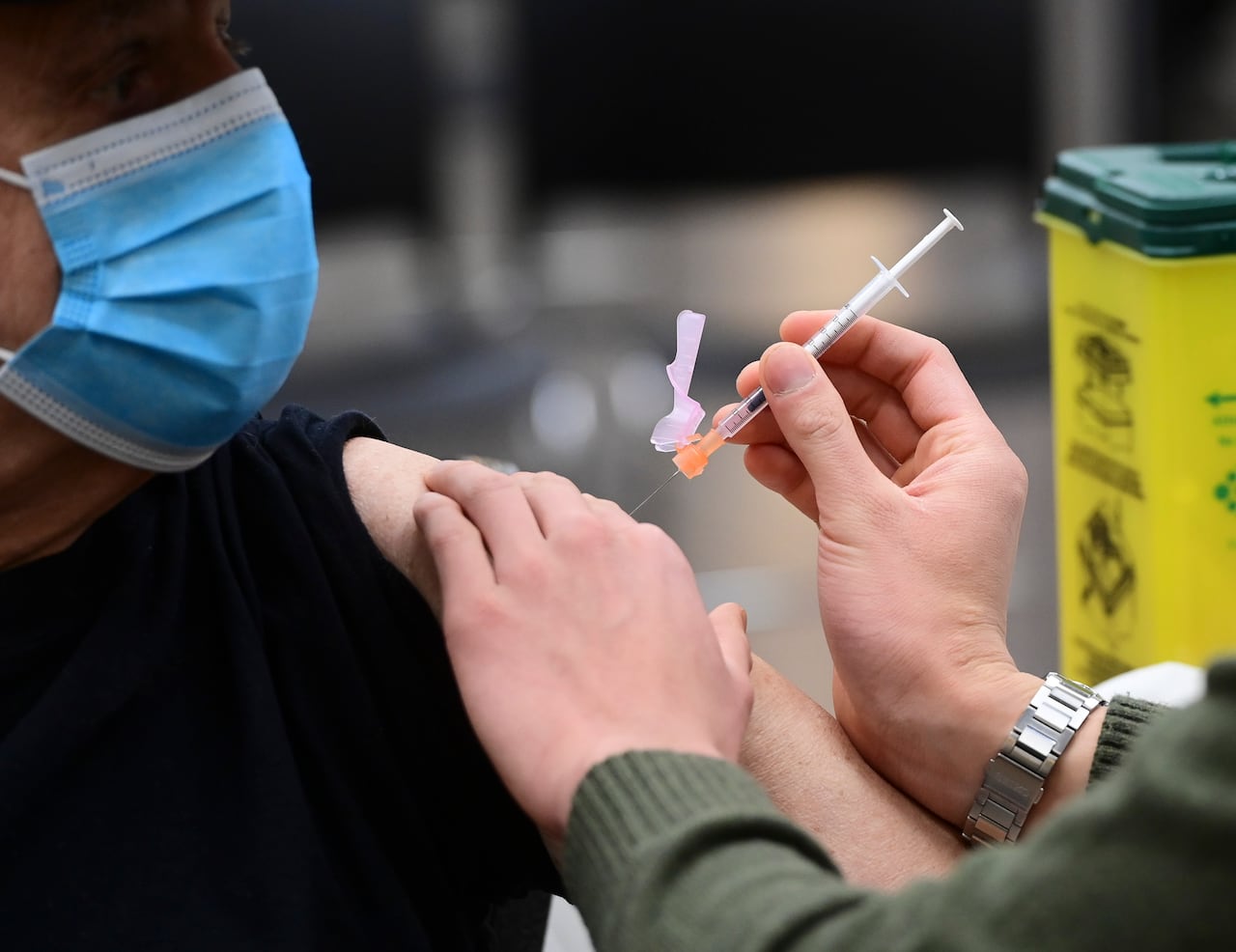
A healthcare professional administers a COVID-19 vaccine to a patient at a clinic in Ottawa in 2021. (Sean Kirkpatrick/The Canadian Press)
Inquiry was the first of its kind in Canada
Allison noted that his independent investigation aimed to bridge a gap in Canada, where, until now, no government-sanctioned inquiry into COVID-19 vaccine injuries had taken place.
As stated on the inquiry’s website, “over 30 democratic nations, including several G7 and Commonwealth countries, have initiated significant COVID-19 inquiries assessing lockdowns, mandates, vaccines, and governmental decision-making.”
Some medical professionals have urged the federal government to conduct a comprehensive national inquiry regarding Canada’s response to the pandemic. However, no such inquiry has been conducted by the government.
In 2023, public members organized their own hearings — referred to as the National Citizens Inquiry into Canada’s Response to COVID-19 — which took place across various provinces.
-
Top medical experts call for national inquiry into Canada’s COVID-19 ‘failures’
-
Citizen-led inquiry into Canada’s pandemic response makes stop in Winnipeg
-
Feds should devise way to reflect on COVID-19 response, says Canada’s chief science adviser
Last month, Canada’s chief science advisor, Mona Nemer, expressed in a CBC interview on The House that the federal government should create a method to evaluate its own pandemic response in order to enhance preparedness for future public health emergencies.
“We have to acknowledge how people feel, and then we need to engage with them, listen, and comprehend the current situation,” Nemer commented.
From December 2020 to December 2023, Canada administered a total of 105 million COVID-19 vaccine doses.
Health Canada reported that during this period, 58,712 adverse event reports were submitted — accounting for 0.056 percent of all vaccinations — with 11,702 of those classified as serious, or 0.011 percent of total vaccines distributed.