

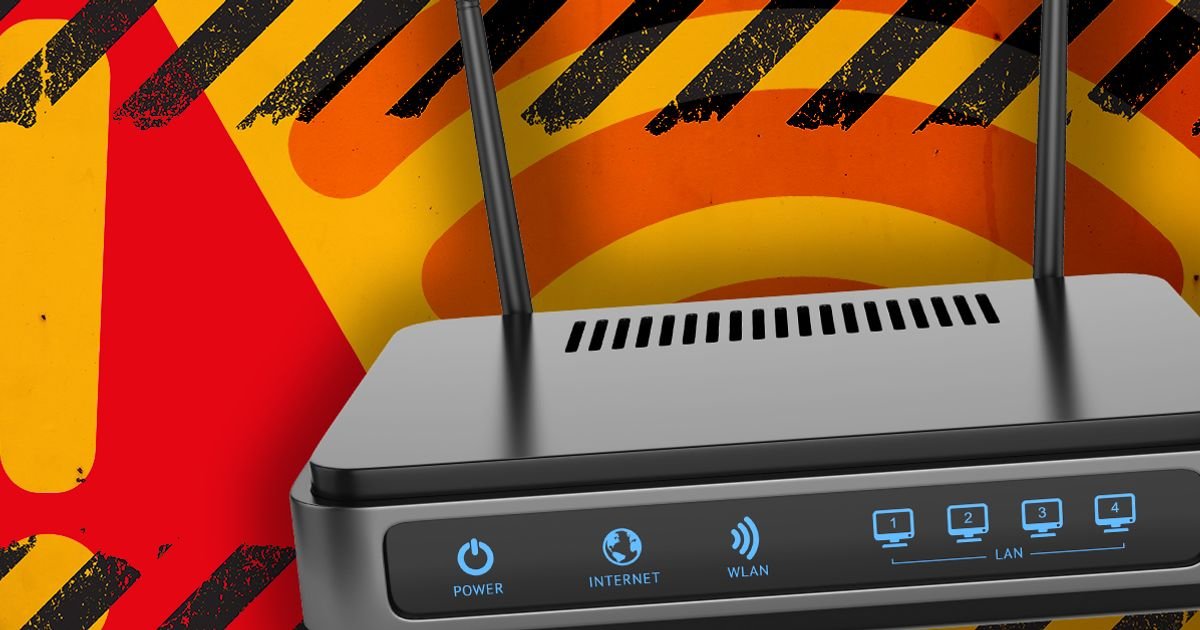

Many households may experience slower broadband speeds due to an abundance of connected devices in their homes, as indicated by Uswitch. The average British household is now equipped with approximately 16 internet-enabled devices, including gadgets like video doorbells that continuously transmit data. This influx of online activity can lead to sluggish internet performance, affecting activities such as video calls and streaming services like Netflix, especially in homes with basic internet setups.
Comparing broadband to a road, the analogy holds that increased traffic (device usage) can congest the connection. While full-fibre broadband offers wider bandwidth to accommodate more devices, older copper cables may struggle to keep up. Additionally, the presence of ‘phantom’ devices, which remain connected to the network even when not in use, can further impede connectivity by consuming bandwidth for updates and background communication.
To enhance connectivity, experts recommend upgrading to faster full-fibre speeds for homes with numerous smart devices. Furthermore, identifying and disconnecting unused devices can lead to immediate speed improvements. Max Beckett, a broadband expert at Uswitch, emphasizes the impact of idle gadgets on internet performance, highlighting the need for a digital cleanup to optimize network efficiency. Taking proactive steps like managing connected devices and regulating high-definition streaming can significantly enhance internet quality, complementing the benefits of a full fibre broadband connection.