

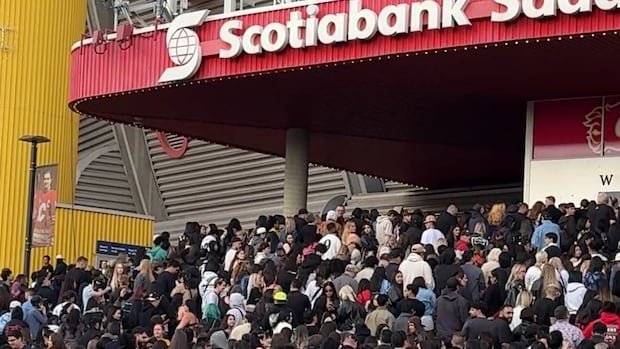

Amandeep Walia eagerly anticipated watching Ne-Yo and Akon perform in Calgary for months. However, he and his wife faced prolonged delays at the Scotiabank Saddledome, both to gain entry and for the show to commence. Walia, who estimated spending around $700 for the night, expressed concerns over the disorganized situation, particularly for fans with floor and lower level seats who were confined to the concourse.
Initially scheduled for 8 p.m., the concert on June 20 was rescheduled to 9 p.m., but the performance did not start until approximately 10:45 p.m. Walia voiced frustration, emphasizing that the delayed start robbed attendees of the full concert experience enjoyed by other cities.
This incident in Calgary is not an isolated case, with high-profile shows like Jay-Z’s final Yankee Stadium performance starting significantly late due to unforeseen circumstances. Similarly, heavy rain led to delays at Harry Styles’ concert in Mexico City, affecting both the main act and the opening performance.
The delays prompt questions among fans about what exactly their concert ticket guarantees. According to entertainment lawyer Kurt Dahl, consumers have limited rights beyond securing their paid seat and a promised show. He highlighted clauses in ticket terms allowing for event date and time changes without notice, giving promoters flexibility in managing unforeseen delays.
While some artists have developed reputations for tardiness, consumers often have minimal recourse when faced with extended delays. Ashish Sharma from the Consumers Council of Canada noted the absence of statutory rights for refunds in cases of significant delays, urging increased transparency from event organizers.
As the live entertainment industry continues to thrive, fans incur additional costs beyond tickets, such as transportation, accommodation, and time off work. Live Nation and Ticketmaster emphasized the complexity of live events and clarified that a delayed but held performance does not automatically warrant refunds.
Dahl suggested that public pressure, rather than contractual terms, might offer consumers more leverage in holding artists and organizers accountable for prolonged delays. Despite the disappointment of the delayed show, Walia suggested compensation like rebates or credits for future events to mitigate the inconvenience caused to attendees.